Battery Backup vs Generators: Choosing the Right Power Protection Strategy
Updated: 2026-01-23
3 min read
Battery Backup Generators Backup Power Power Outages
When planning backup power, most homeowners are forced into a false choice: battery backup or generator. In reality, these systems solve different problems, operate on different timelines, and fail in different ways.
Choosing the wrong system often leads to wasted money, unsafe setups, or false confidence during extended outages.
This guide breaks down battery backups and generators honestly — what they do well, where they fall short, and how to decide which one fits your home and risk profile.
How Battery Backup Systems Work
Battery backup systems store electrical energy and deliver it instantly when grid power fails.
Key characteristics:
- Instant, silent switchover
- No fuel required
- Limited runtime based on capacity
They excel at short outages and protecting sensitive electronics.
## Top Battery Backup Systems Picks
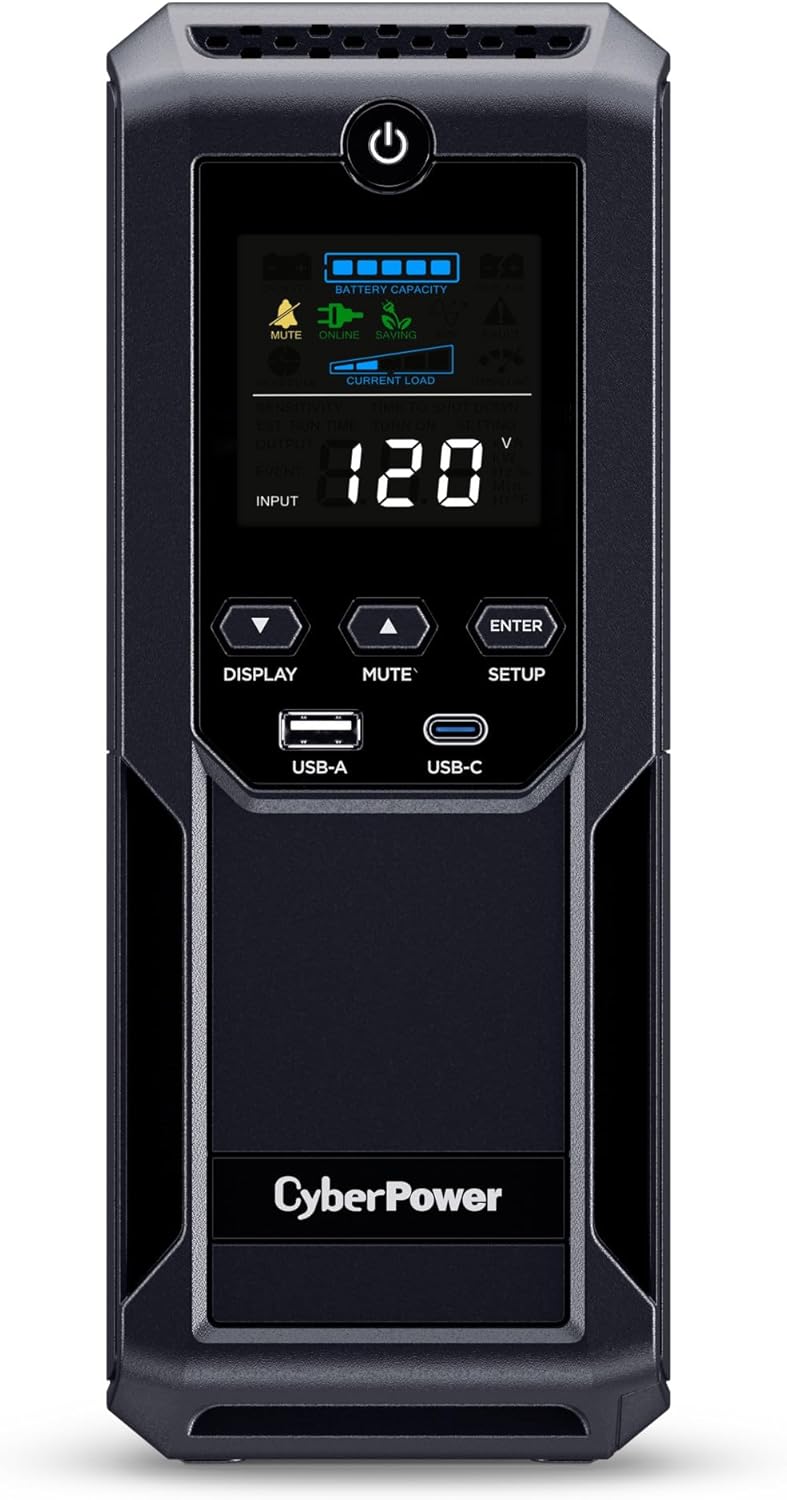
CyberPower CP1500AVRLCD3 Intelligent LCD UPS System, 1500VA/900W, 12 Outlets, 2 USB Ports, AVR, Mini Tower, Black
Battery Backup Systems
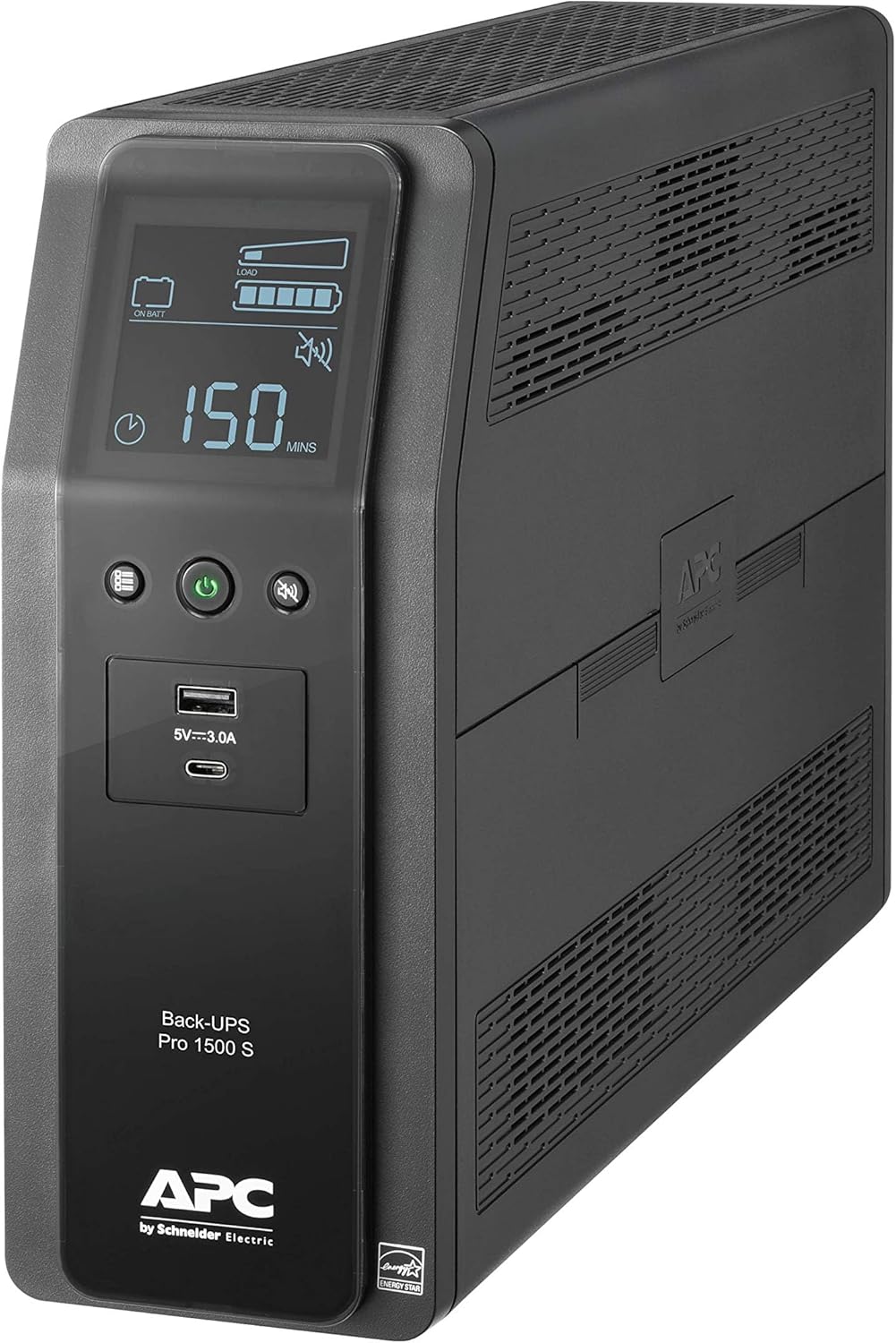
APC UPS 1500VA Sine Wave UPS Battery Backup, BR1500MS2 Backup Battery Power Supply with AVR, (2) USB Charger Ports
Battery Backup Systems
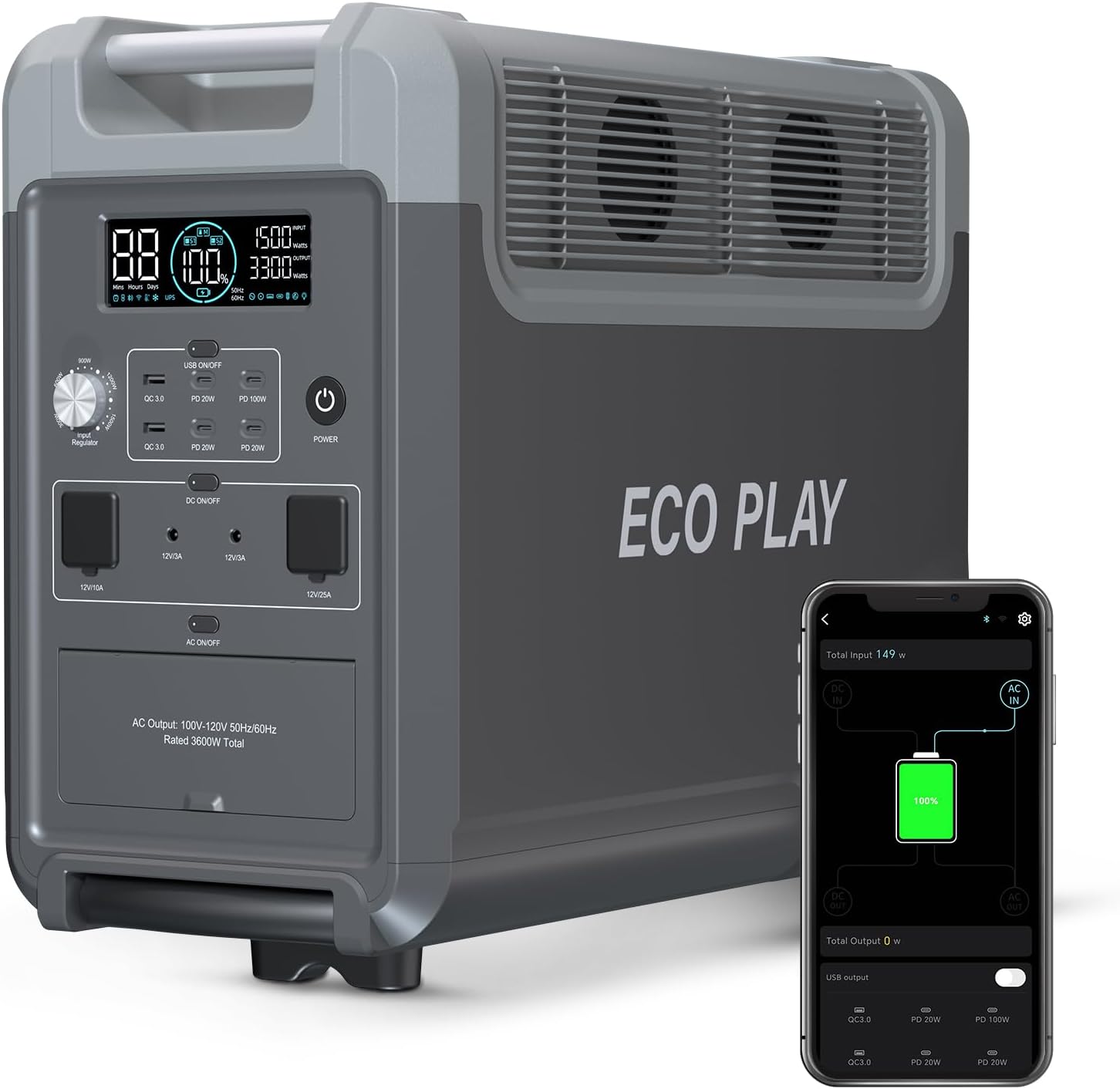
Portable Power Station, 3840Wh LiFePO4 Battery, Expandable to 11520Wh, Fully Charged in 3H, Adjustable Input Power, UPS, 3600W Solar Generator for Outdoor RV
Battery Backup Systems
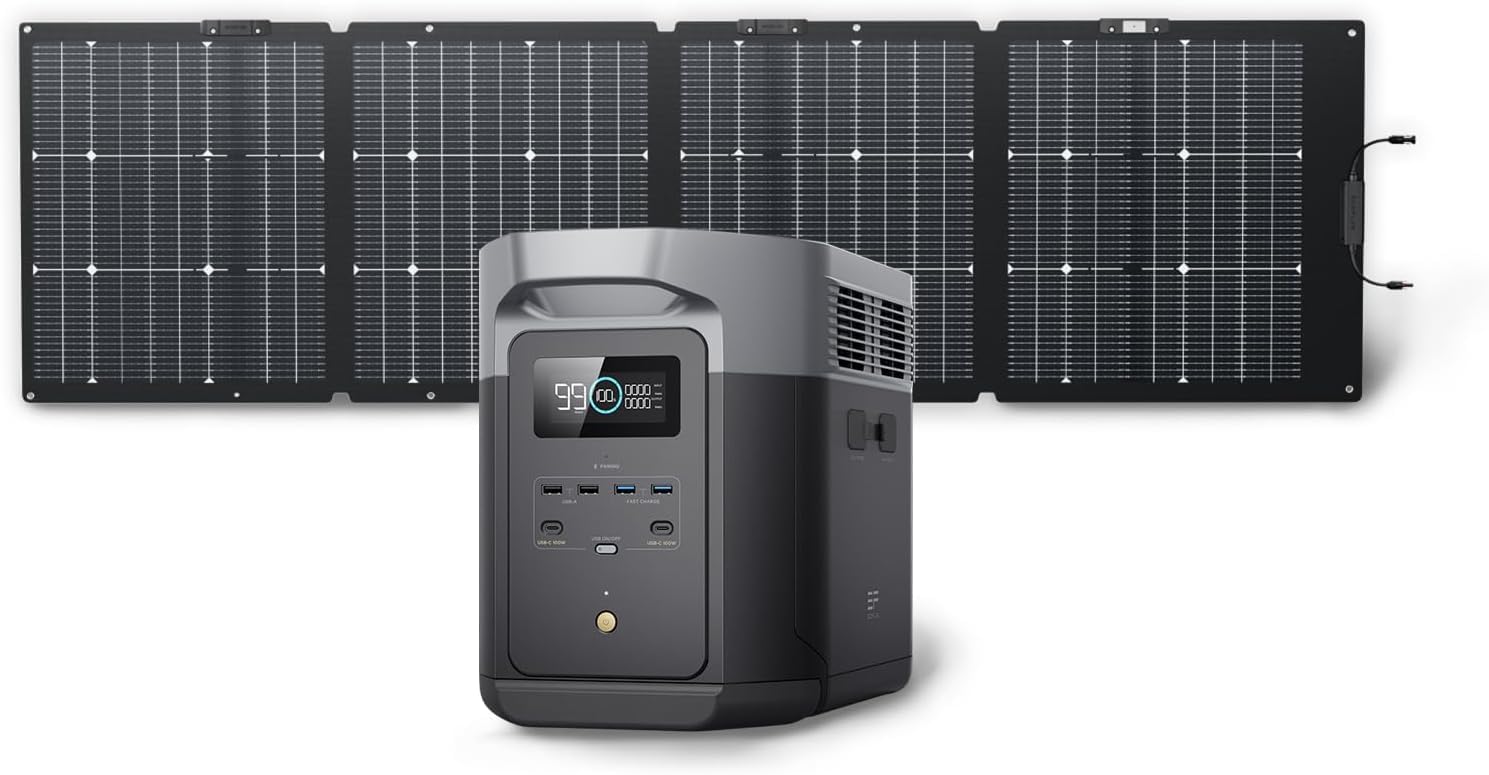
EF ECOFLOW Solar Generator DELTA 2 Max 2048Wh with 220W Solar Panel, LiFePO4 Battery Portable Power Station, Up to 3400W AC Output, AC + Solar
Battery Backup Systems
Strengths of Battery Backup
Battery systems shine in specific scenarios.
Major advantages:
- Zero emissions indoors
- No maintenance fuel storage
- Safe operation in enclosed spaces
They are ideal for networking equipment, medical devices, and electronics.
Limitations of Battery Backup
Battery systems are energy-limited.
Common constraints:
- Short runtime for high-wattage loads
- High cost per kilowatt-hour
- Recharge dependency on grid or solar
Running heating or large motors quickly depletes capacity.
How Generators Work
Generators convert fuel into electrical power for as long as fuel is available.
Key characteristics:
- High sustained output
- Long runtime potential
- Fuel-dependent operation
They are designed for extended outages lasting hours or days.
## Top Home Generators Picks
Strengths of Generators
Generators provide endurance.
Advantages include:
- Ability to run heating systems
- Support for pumps and motors
- Scalable runtime with fuel supply
They handle loads batteries cannot sustain economically.
Limitations of Generators
Generators introduce complexity.
Common downsides:
- Noise and exhaust
- Fuel storage and maintenance
- Manual intervention for portable units
Improper use can introduce carbon monoxide and fire risks.
Runtime Comparison: Minutes vs Days
Battery systems dominate short outages. Generators dominate long outages.
Typical use cases:
- 0–2 hours: Battery backup
- 2–12 hours: Hybrid systems
- 12+ hours: Generators
Matching system type to outage duration prevents disappointment.
Hybrid Systems: Best of Both Worlds
Many reliable setups combine both technologies.
Hybrid advantages:
- Instant battery switchover
- Generator support for extended outages
- Reduced generator runtime
Hybrid systems reduce noise, fuel use, and wear.
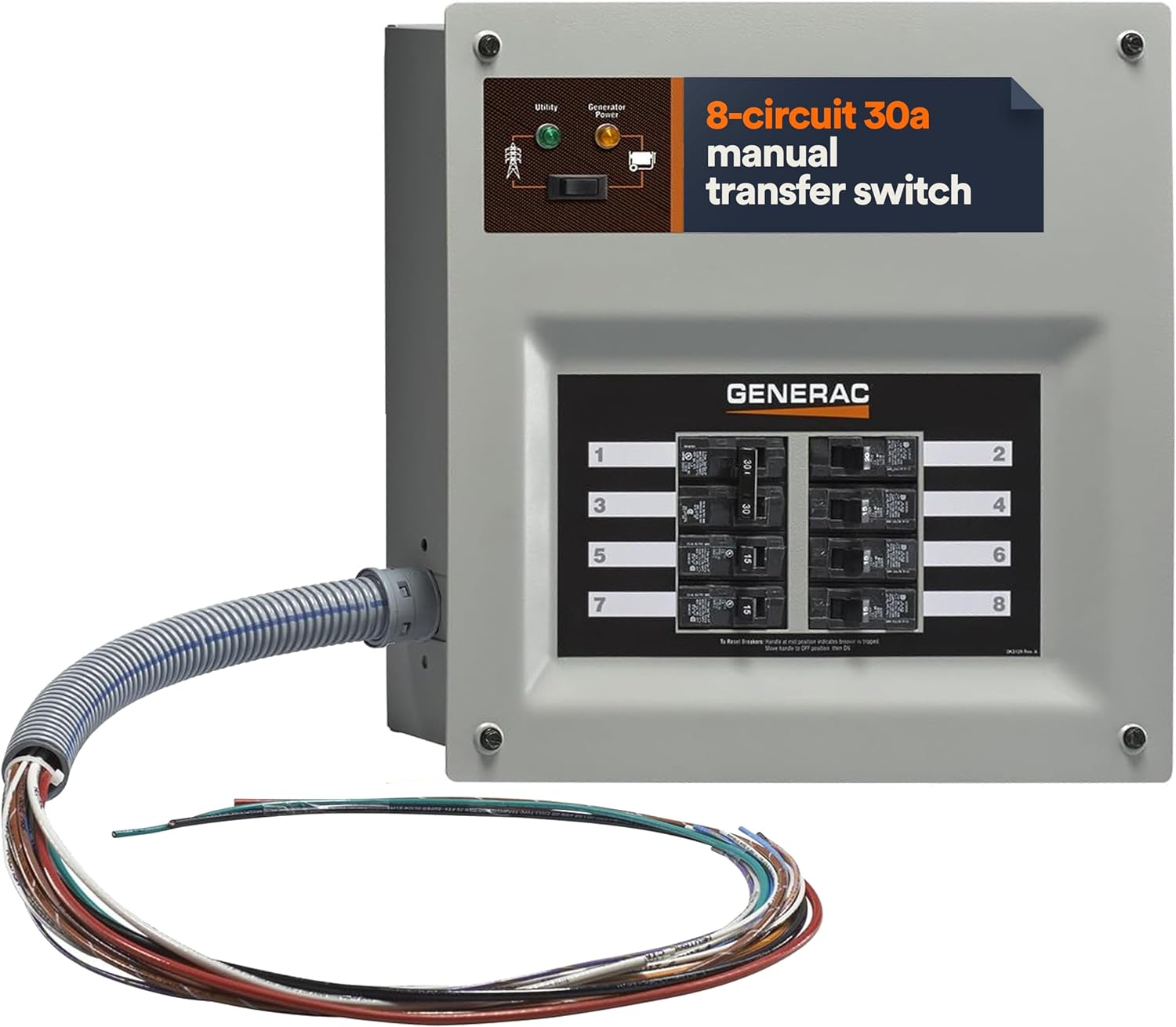
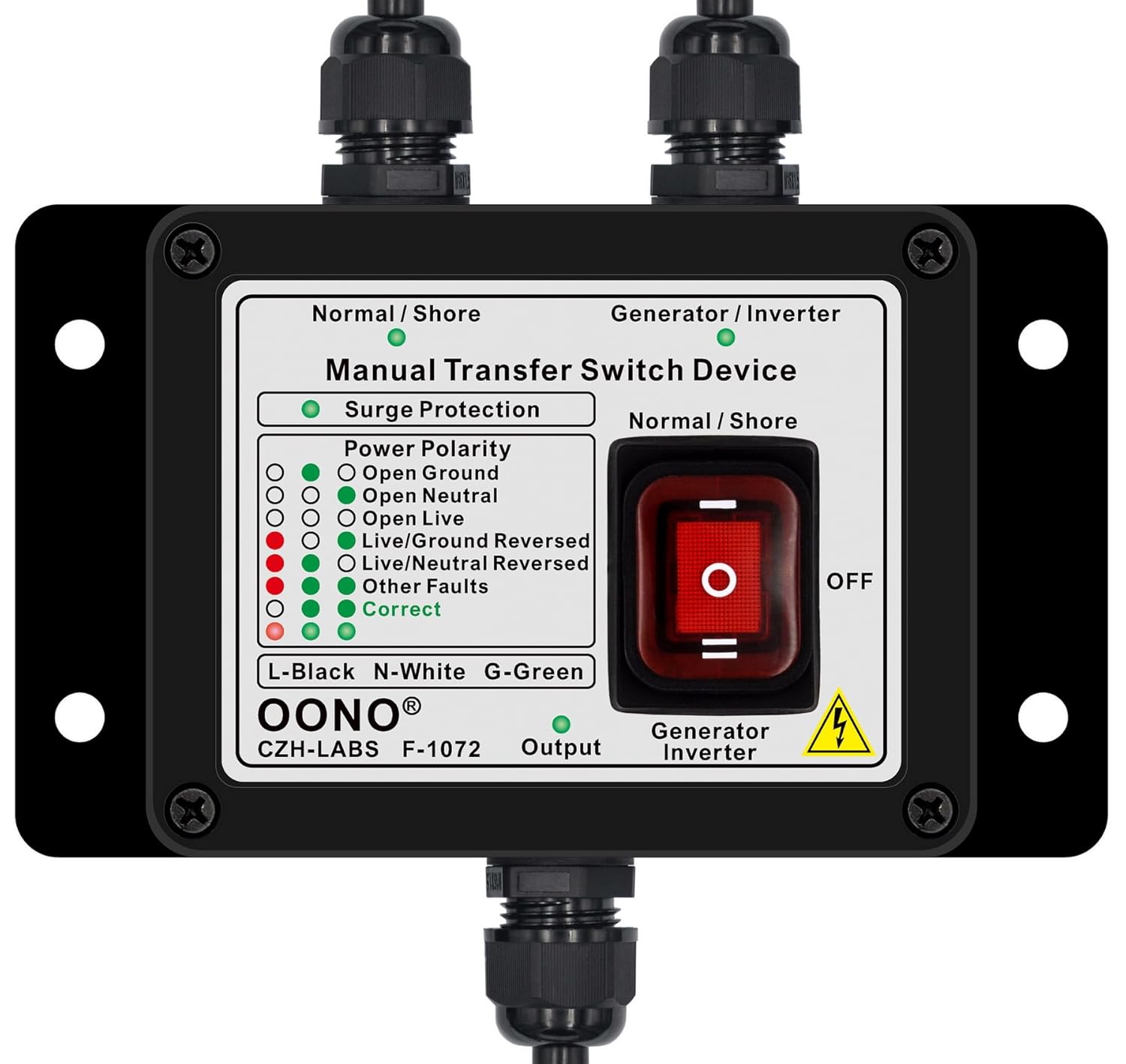
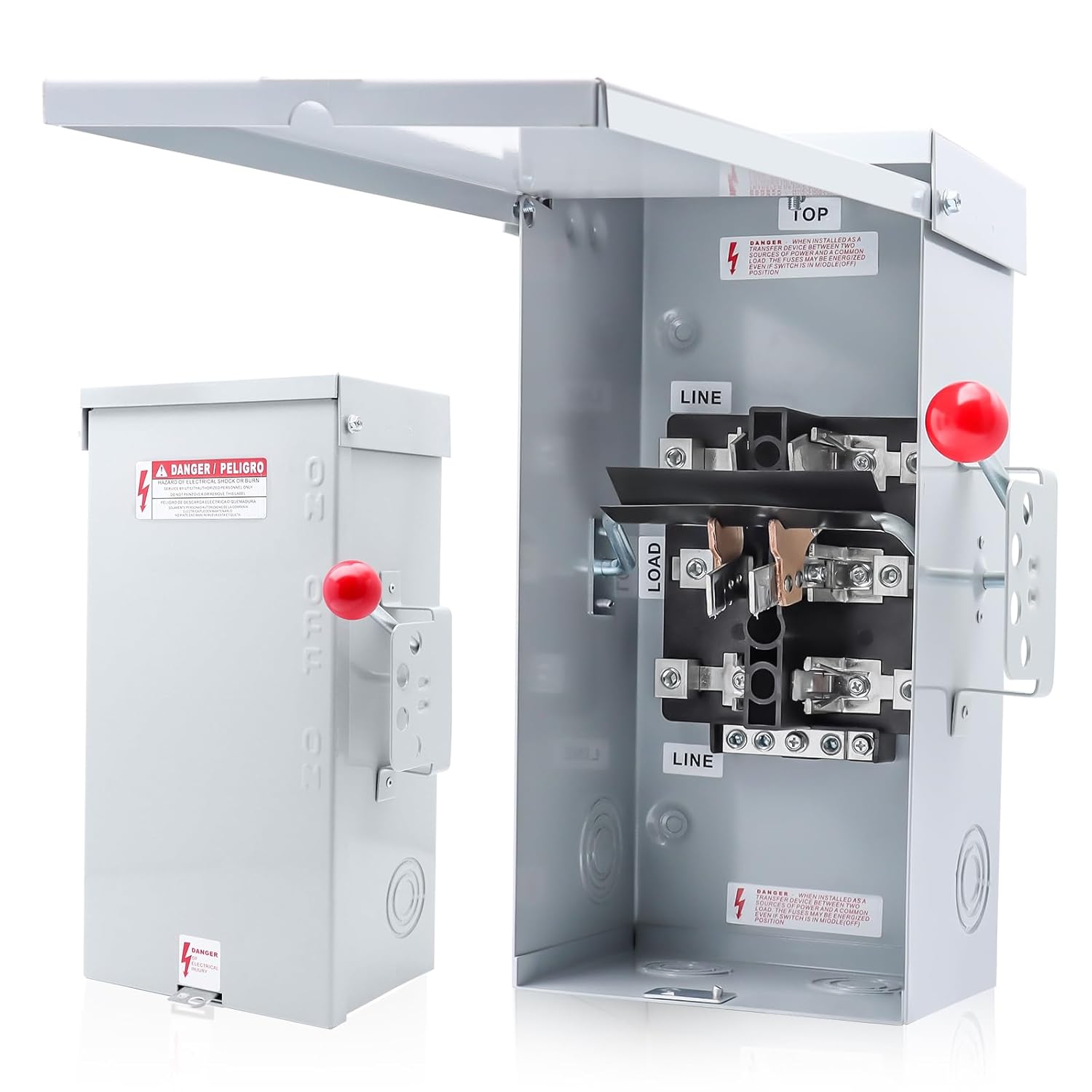
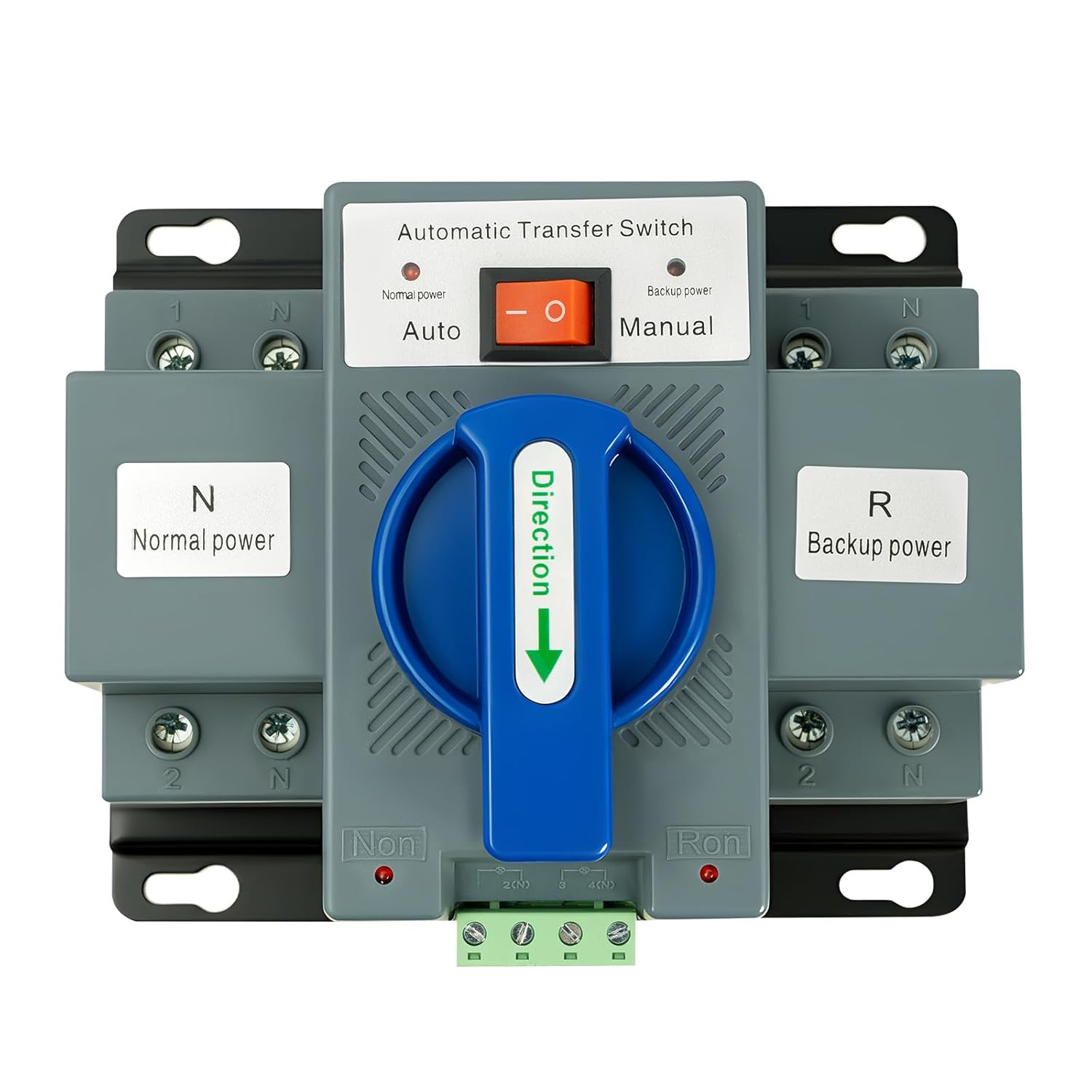
## Top Transfer Switches Picks
Safety and Integration Considerations
Both systems require proper integration.
Critical safety points:
- No backfeeding
- Proper load isolation
- Ventilation for generators
Cutting corners here creates serious hazards.
Cost Reality Check
Upfront cost is not the full story.
Consider:
- Fuel costs over time
- Battery replacement lifespan
- Maintenance requirements
The cheapest system often becomes the most expensive.
Common Comparison Mistakes
- Comparing wattage without runtime
- Ignoring surge power
- Assuming one system solves all outages
Final Takeaway
Battery backups and generators are not competitors — they are complementary tools. By understanding outage duration, load behavior, and safety requirements, you can choose a power protection strategy that actually works when the grid fails.
Related Products
## More Random Picks
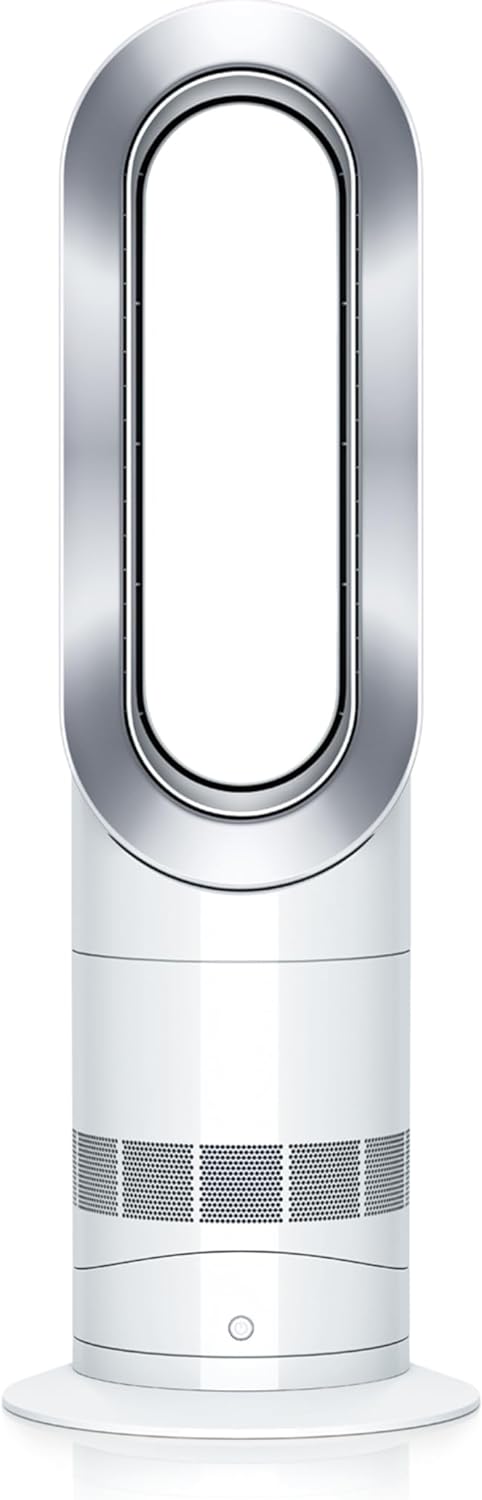
Dyson Hot+Cool Fan Heater AM09 - White
Safe Space Heaters
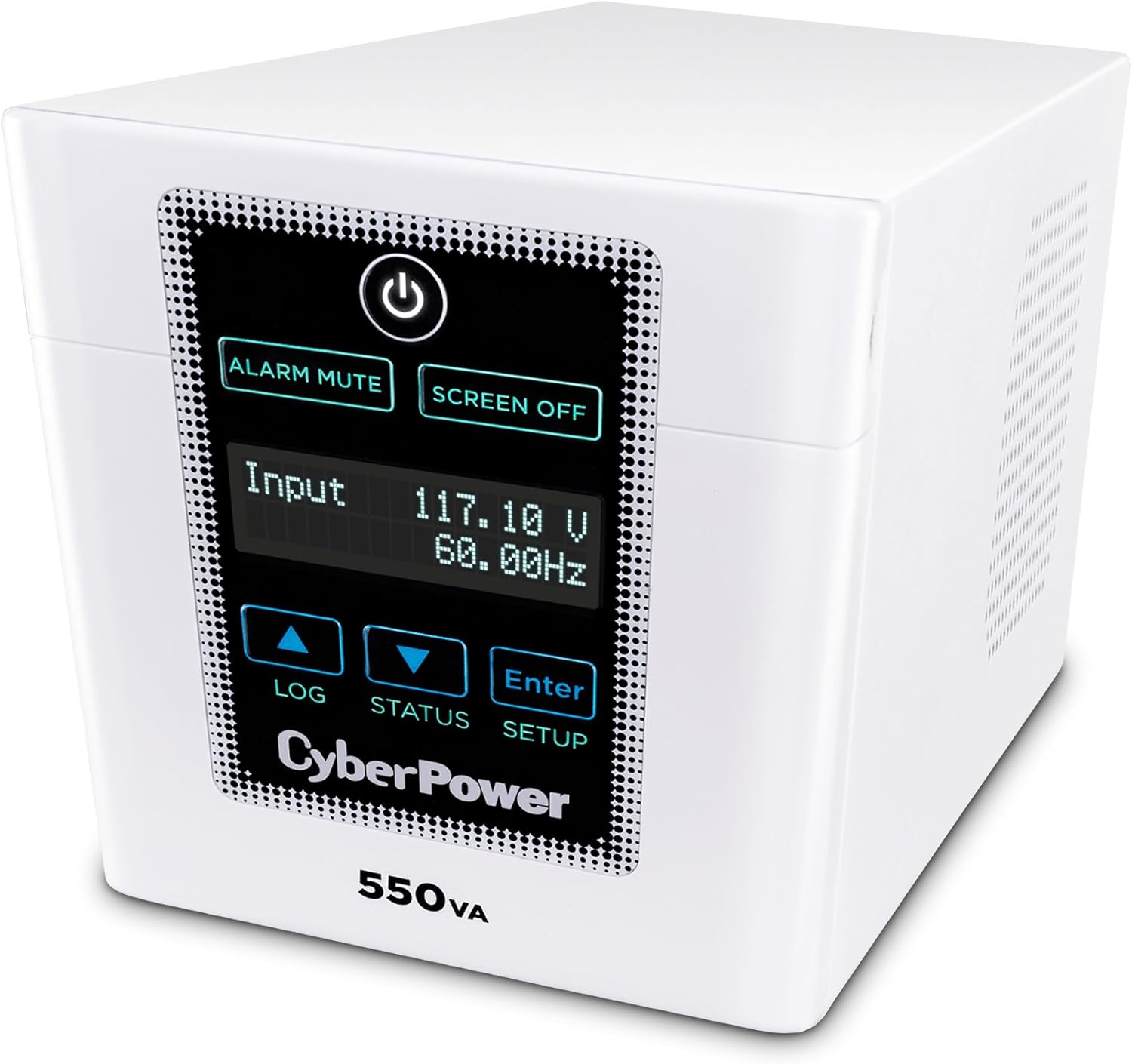
CyberPower M550L Medical-Grade UPS System, 550VA/440W, 4 Outlets, AVR, Tower
Ups Systems
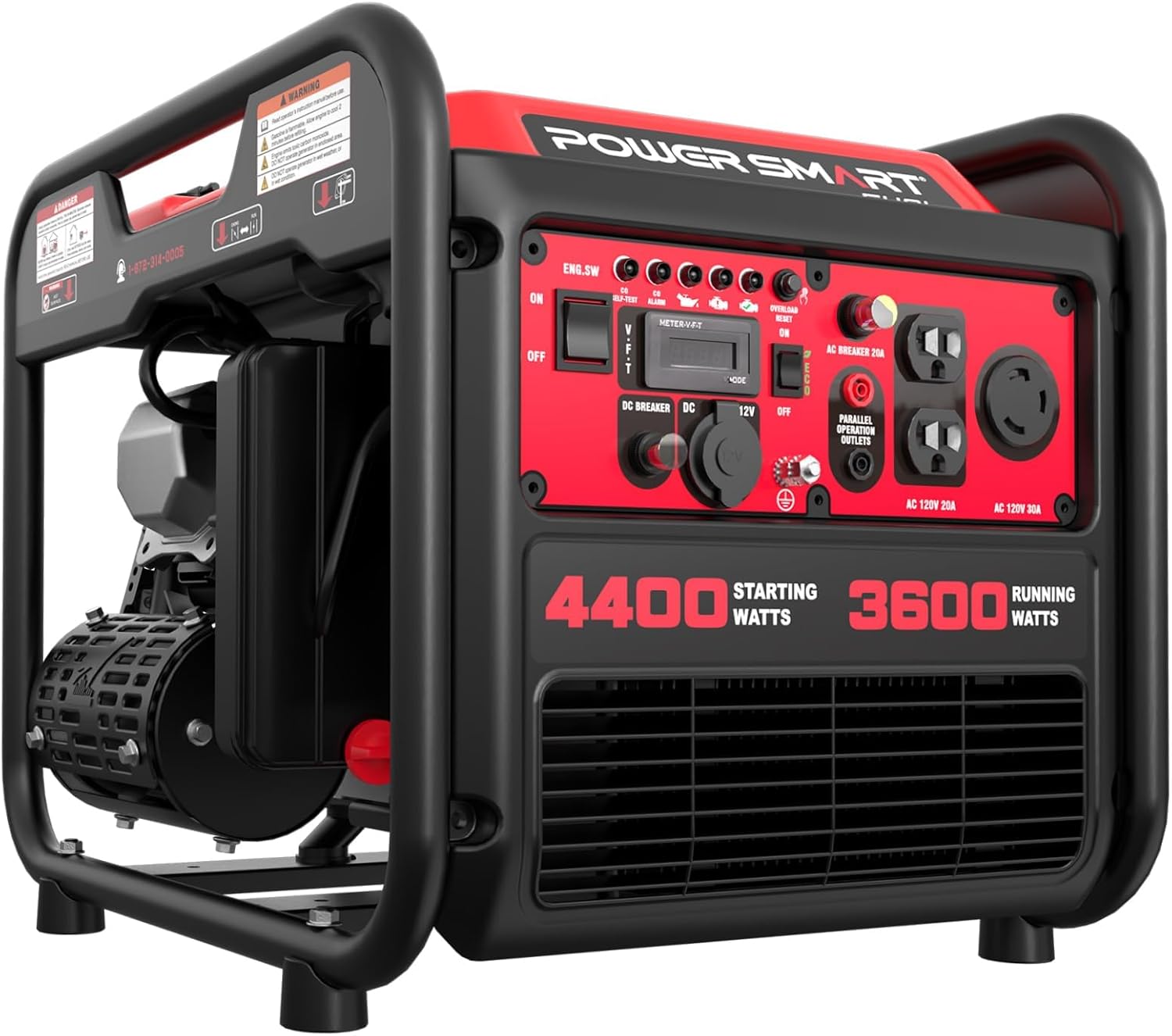
PowerSmart 4400W Portable Generator with Inverter Technology, Gas Generator for Home Use, Jobsit, Hurricane Emergency, RV Ready with 30A Outlet
Home Generators
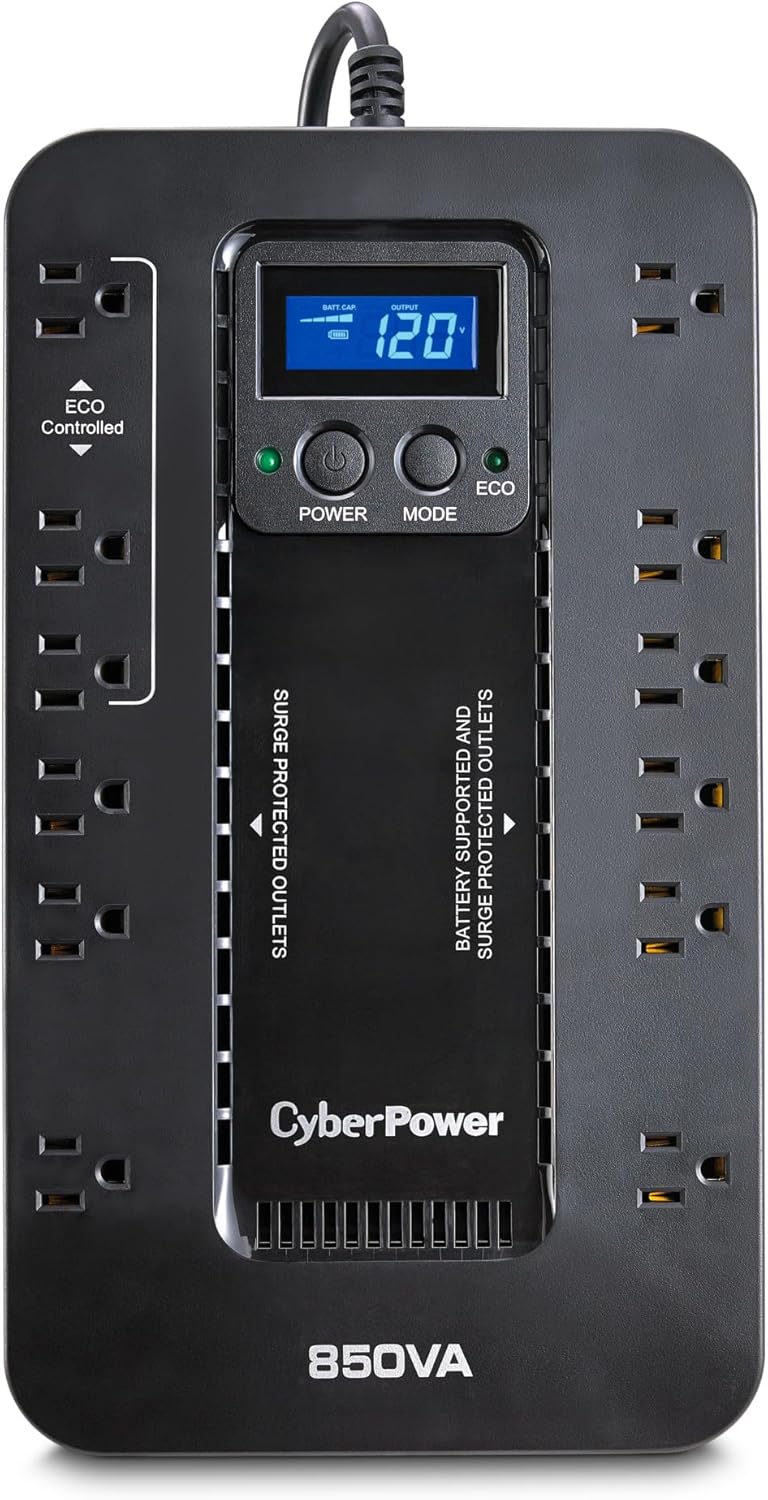
CyberPower EC850LCD Ecologic Battery Backup & Surge Protector UPS System, 850VA/510W, 12 Outlets, ECO Mode, Compact, Uninterruptible Power Supply
Ups Systems
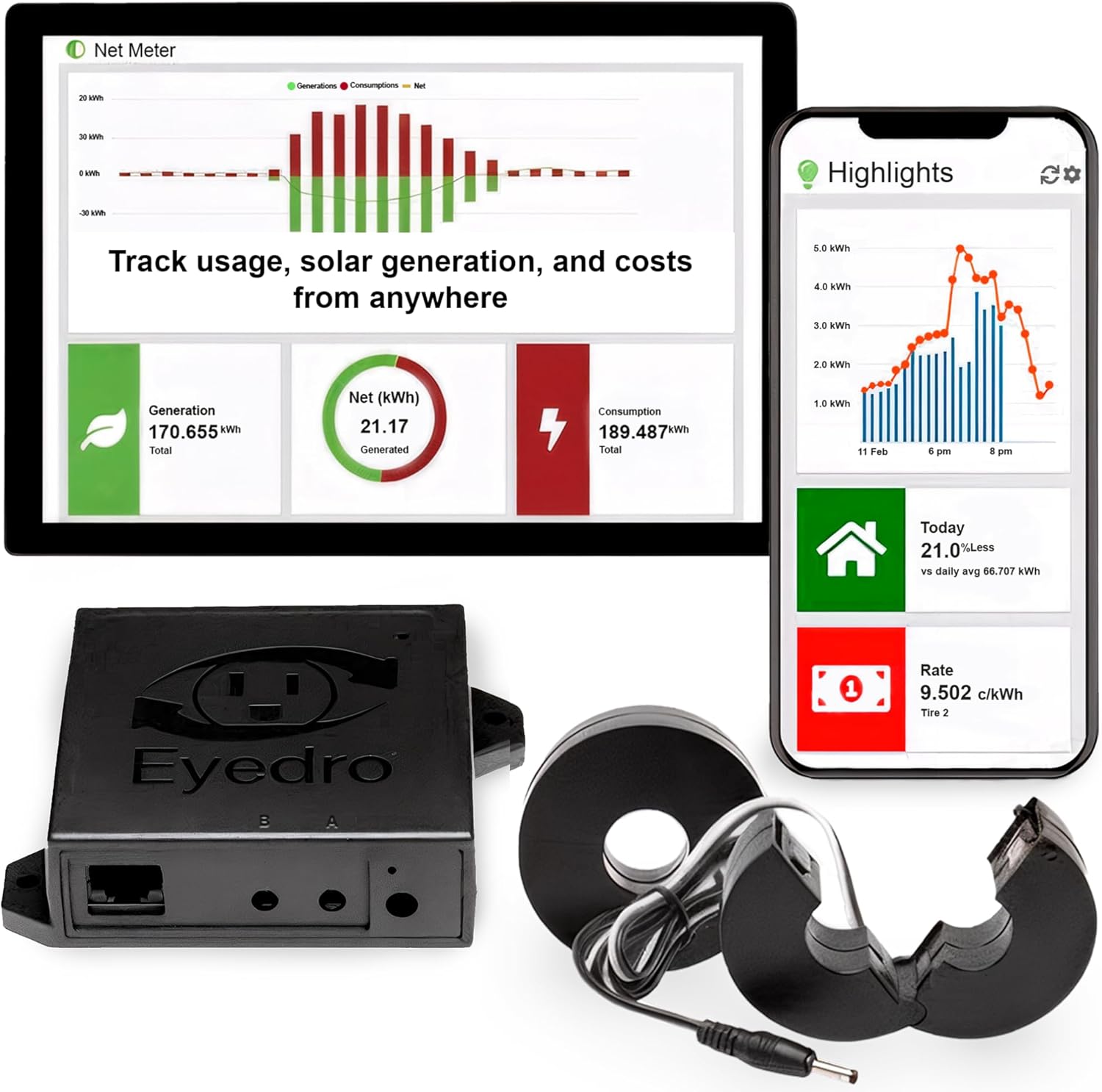
Eyedro Home Energy Monitor – Real-Time Electricity Usage Monitor with Solar Net Metering – Whole House Power Consumption Monitor – WiFi/Ethernet Smart
Power Monitoring
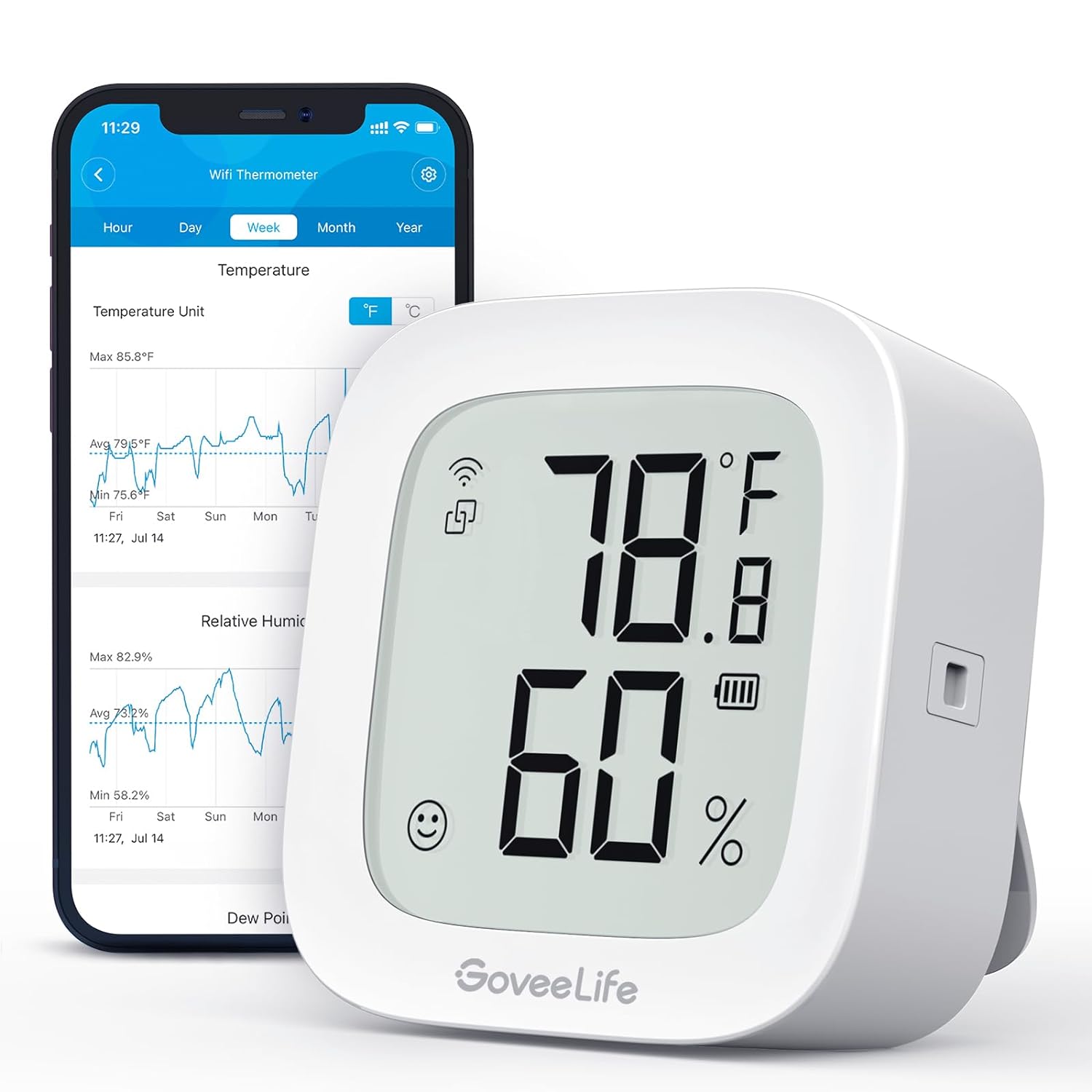
GoveeLife WiFi Thermometer Hygrometer H5103, Indoor Bluetooth Temperature Humidity Sensor with Electronic Ink Display, App Notification Alert
Temperature Monitoring
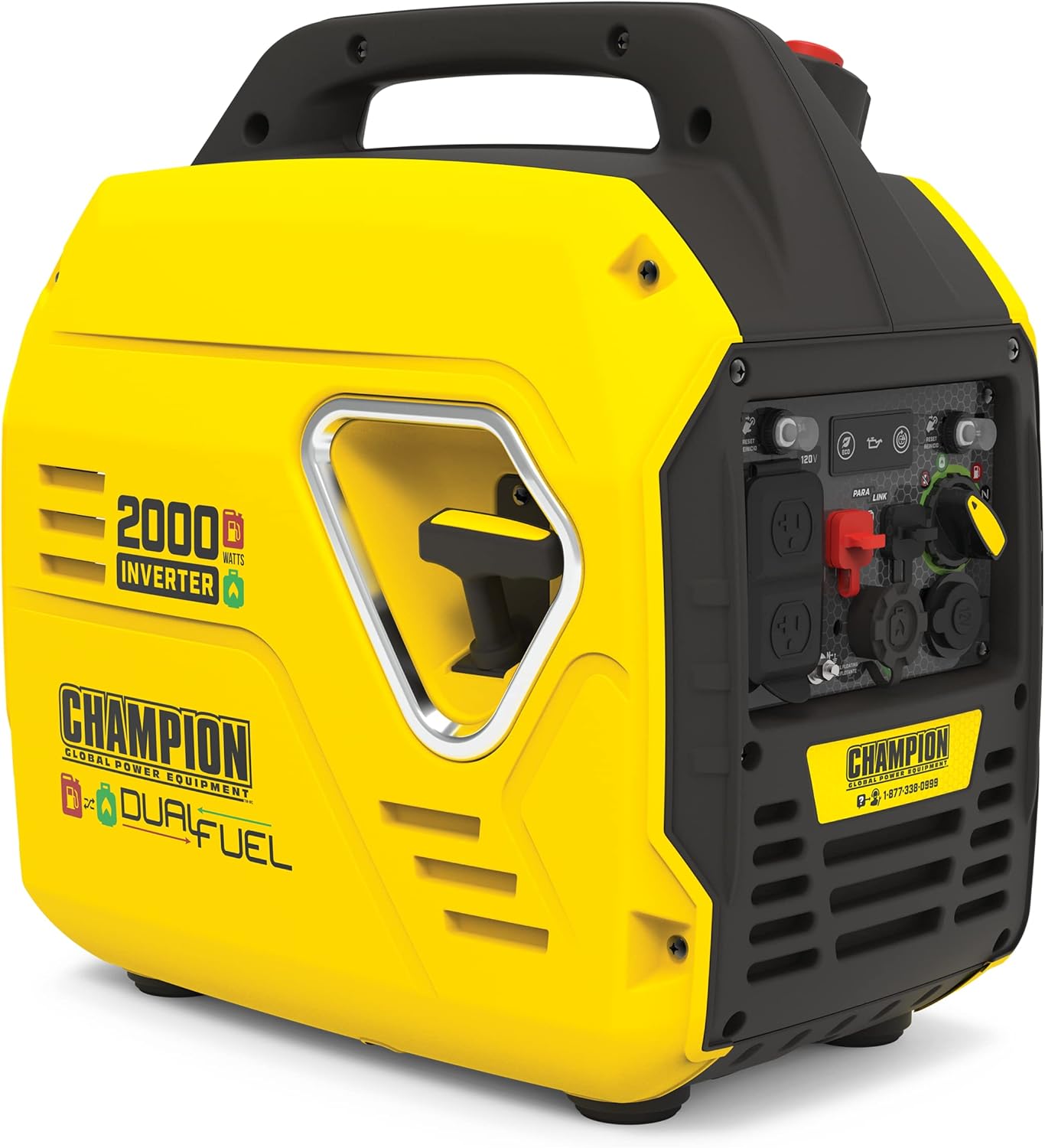
Champion Power Equipment 100900 2000-Watt Dual Fuel Inverter Generator, Ultralight
Propane Generator Systems
Manual Transfer Switch, AC120V 15Amp, with Surge Protection and Power Polarity Monitoring, for Generator, Inverter, Solar. OONO F-1072
Transfer Switches
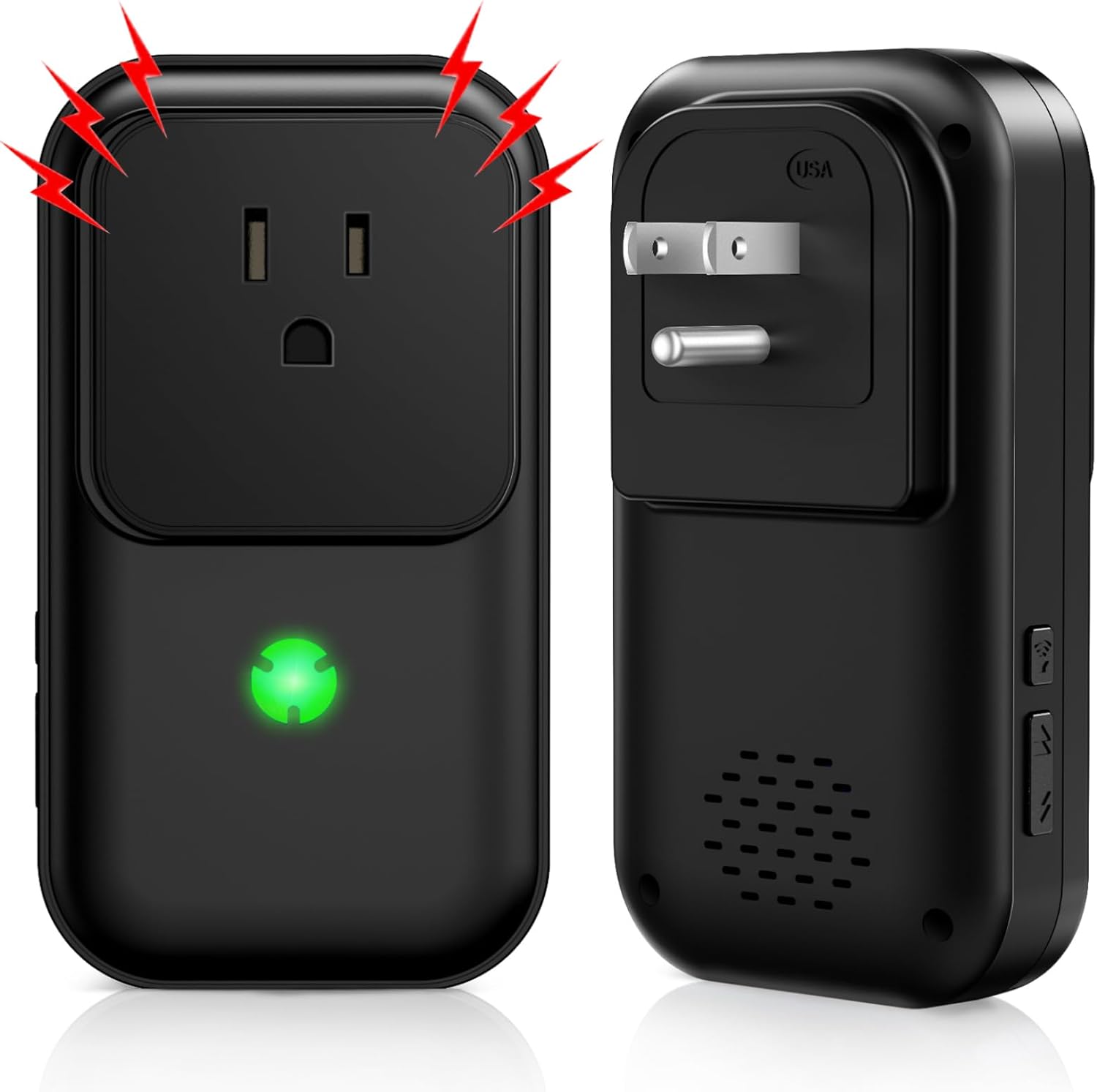
Satisure Power Failure Alarm, 7 Sirens, 0-110dB Adjustable LED, 12H Alert, Black, Touch Control, Wall Mount, 110dB, 185.8m Range
Power Outage Alerts
100A Generator Transfer Switch 24000W General-Duty Double-Throw Safety Switch 120/240-Volt 100 Amps Generator Manual Power Transfer Switches
Transfer Switches
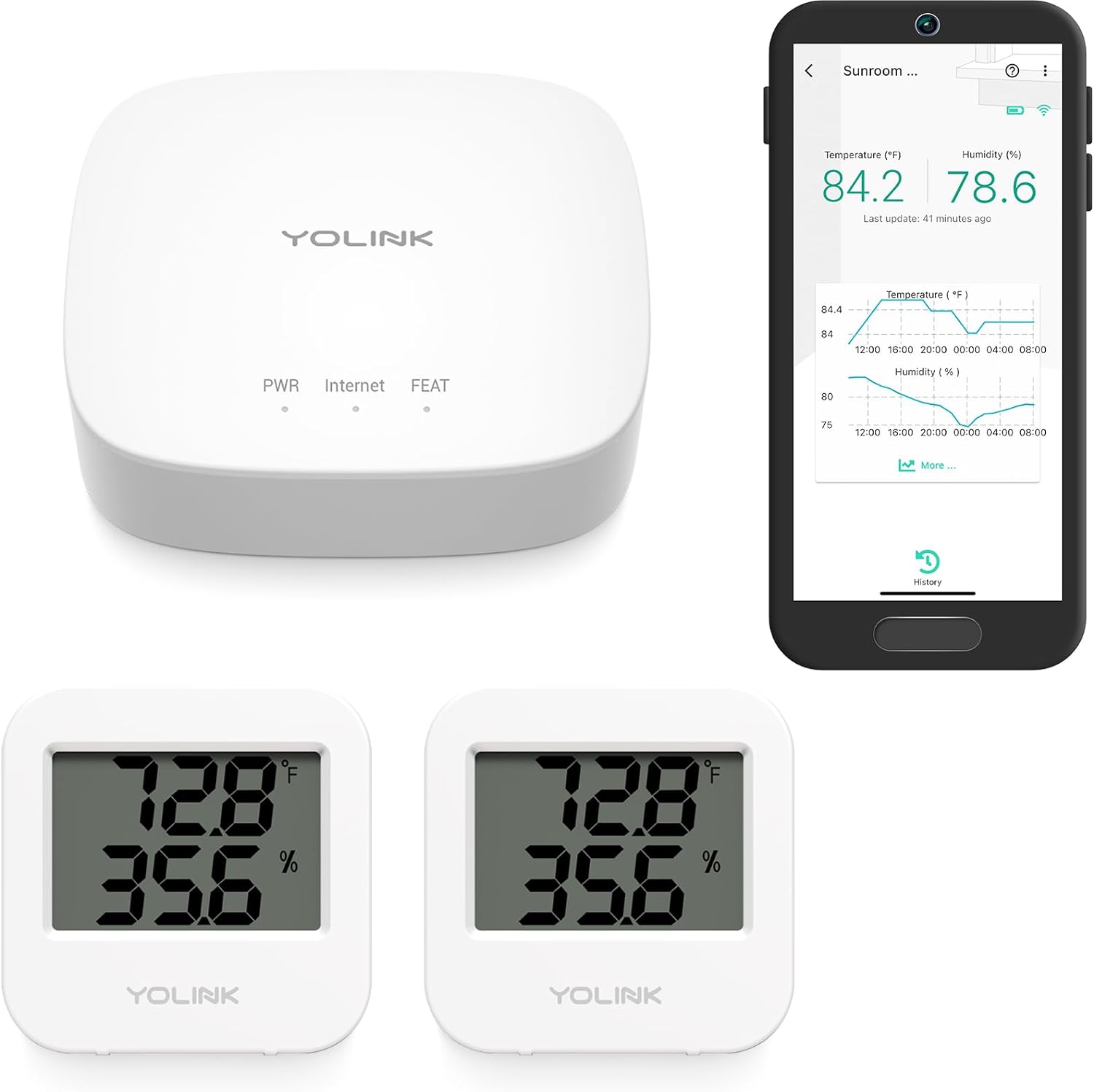
Smart Wireless Temperature/Humidity Sensor Wide Range (-22 to 158 Degrees) for Freezer Fridge Monitoring Pet Cage/Tank Monitoring Smartphone Alerts
Temperature Monitoring
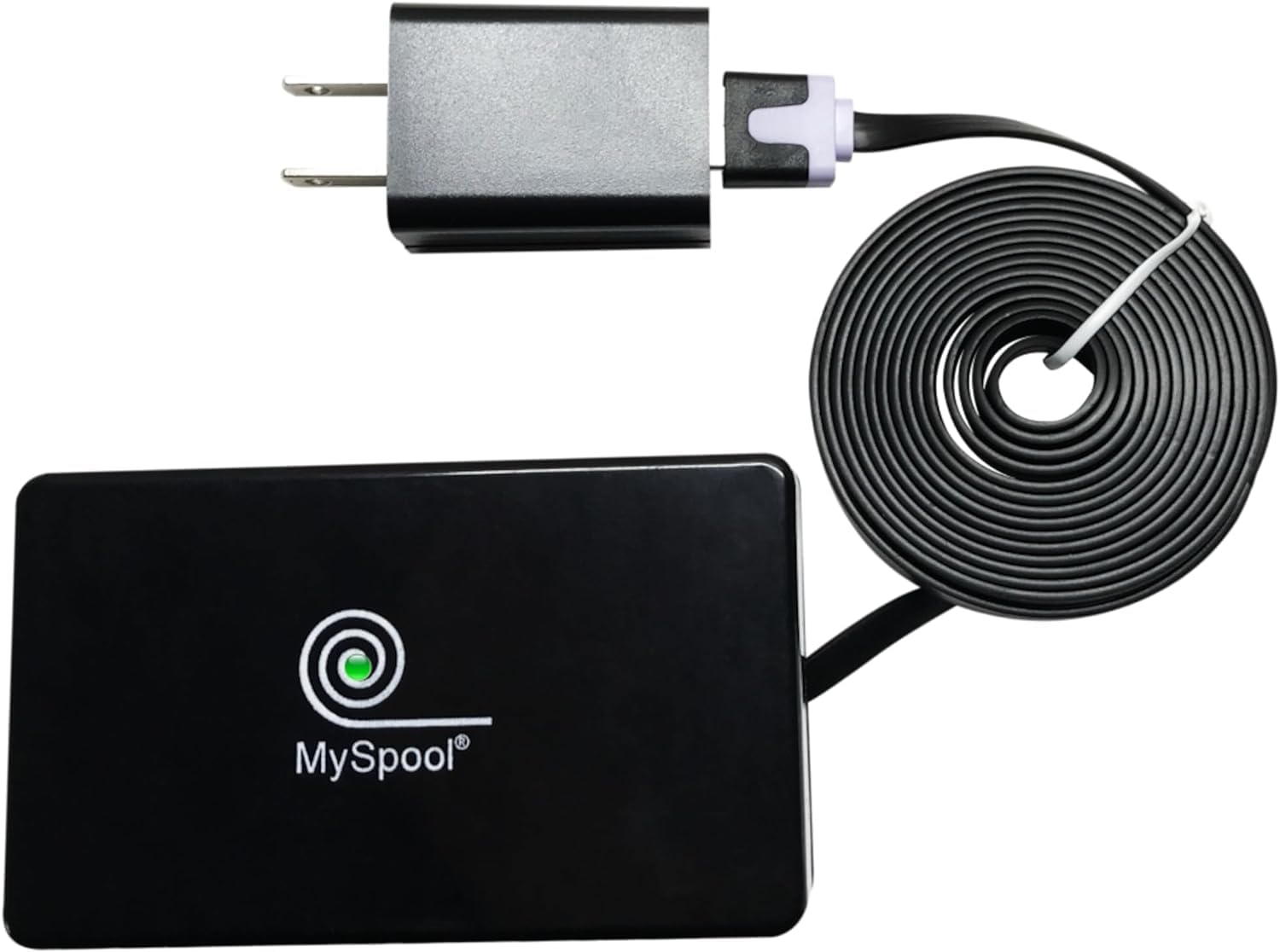
Power Failure Detector with Text Message and Email Alerts. Sends SMS Power Outage Alarms and Restoration Alerts to Two Phones
Power Outage Alerts
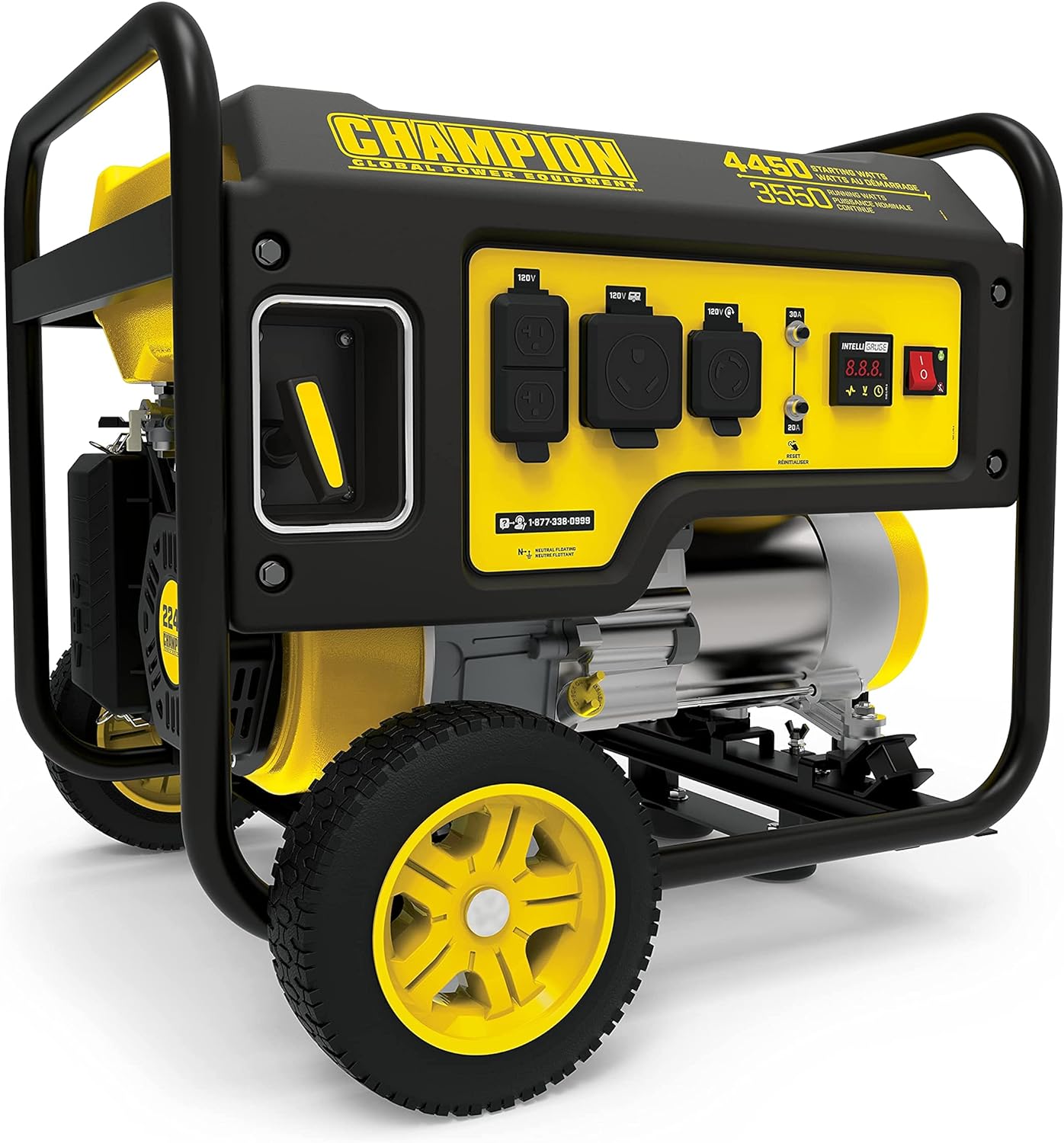
Champion Power Equipment 4450/3550-Watt RV Ready Portable Generator with Wheel Kit Yellow
Home Generators
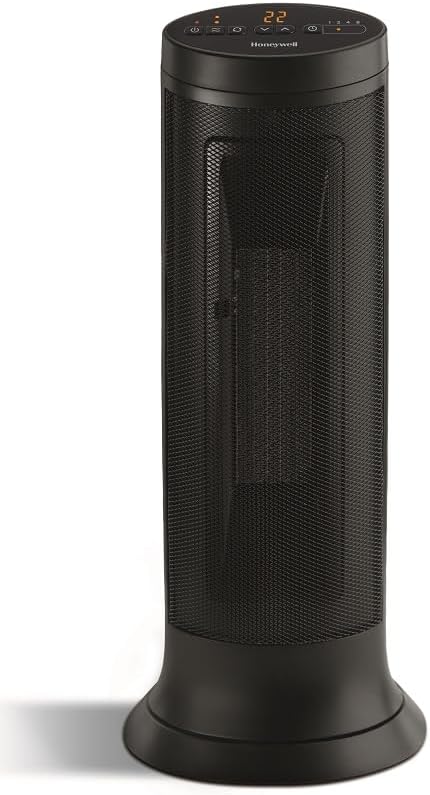
Honeywell HCE317BC Slim Ceramic Tower Electric Space Heater for Bedroom, Office, Home, Oscillates, 2 Heat Settings, Portable, 2-8H timer, Quiet, 1500W/750W
Safe Space Heaters
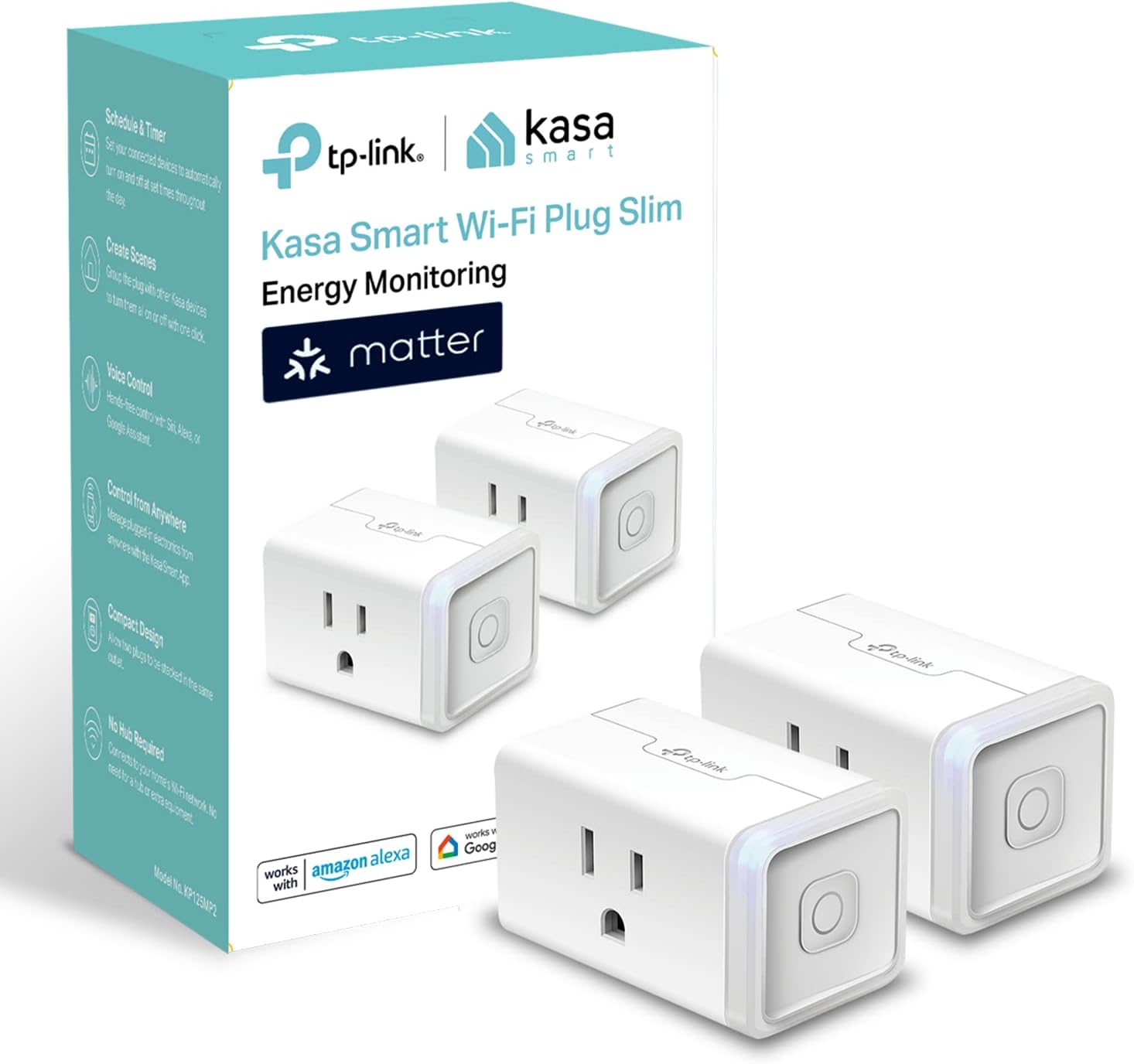
Kasa Matter Smart Plug w/ Energy Monitoring, Compact Design, 15A/1800W Max, Super Easy Setup, Works with Apple Home, Alexa & Google Home, UL Certified
Power Monitoring
EF ECOFLOW Solar Generator DELTA 2 Max 2048Wh with 220W Solar Panel, LiFePO4 Battery Portable Power Station, Up to 3400W AC Output, AC + Solar
Battery Backup Systems
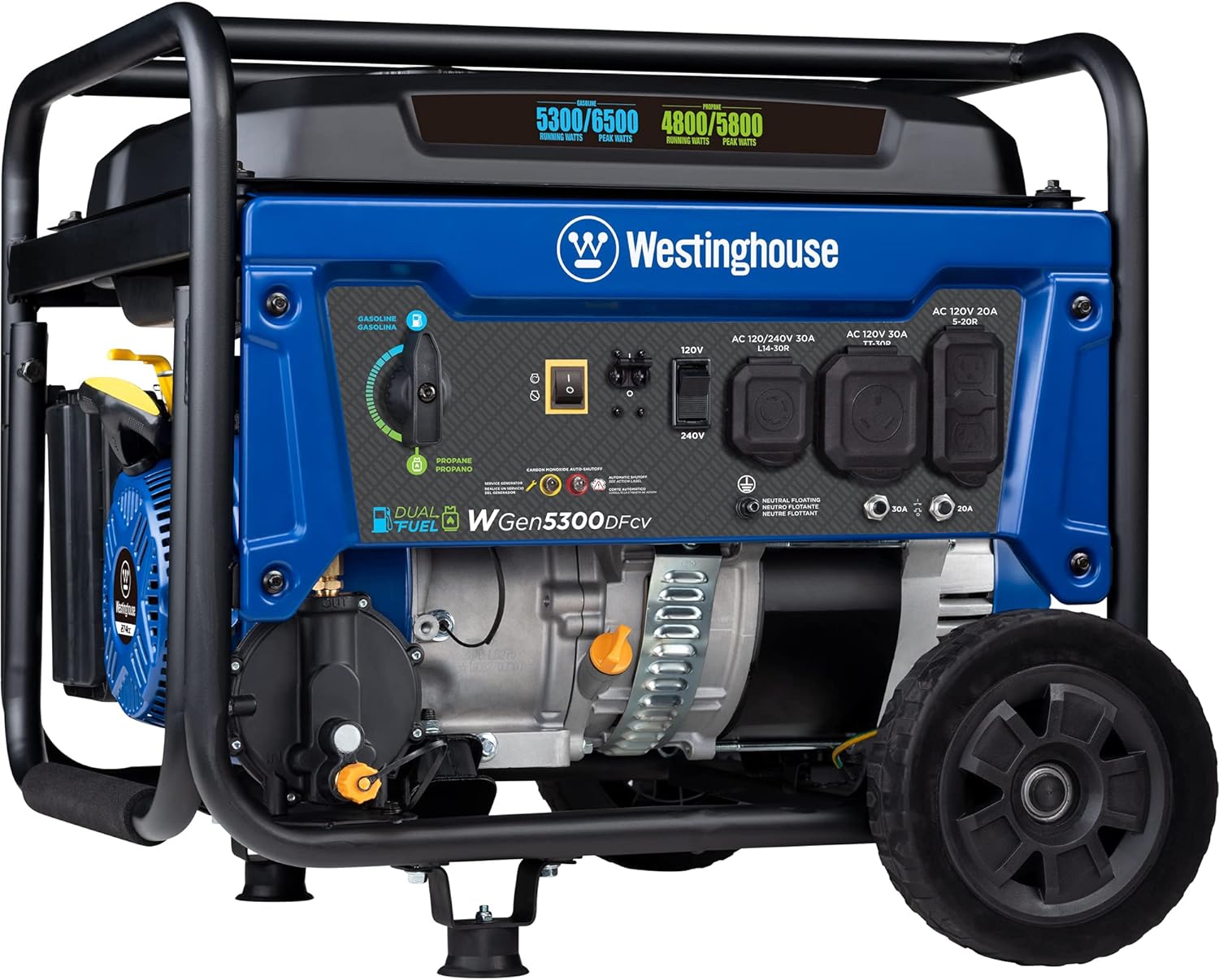
Westinghouse 6500 Watt Dual Fuel Home Backup Portable Generator, Transfer Switch Ready 30A Outlet, RV Ready 30A Outlet, CO Sensor
Propane Generator Systems
Portable Power Station, 3840Wh LiFePO4 Battery, Expandable to 11520Wh, Fully Charged in 3H, Adjustable Input Power, UPS, 3600W Solar Generator for Outdoor RV
Battery Backup Systems
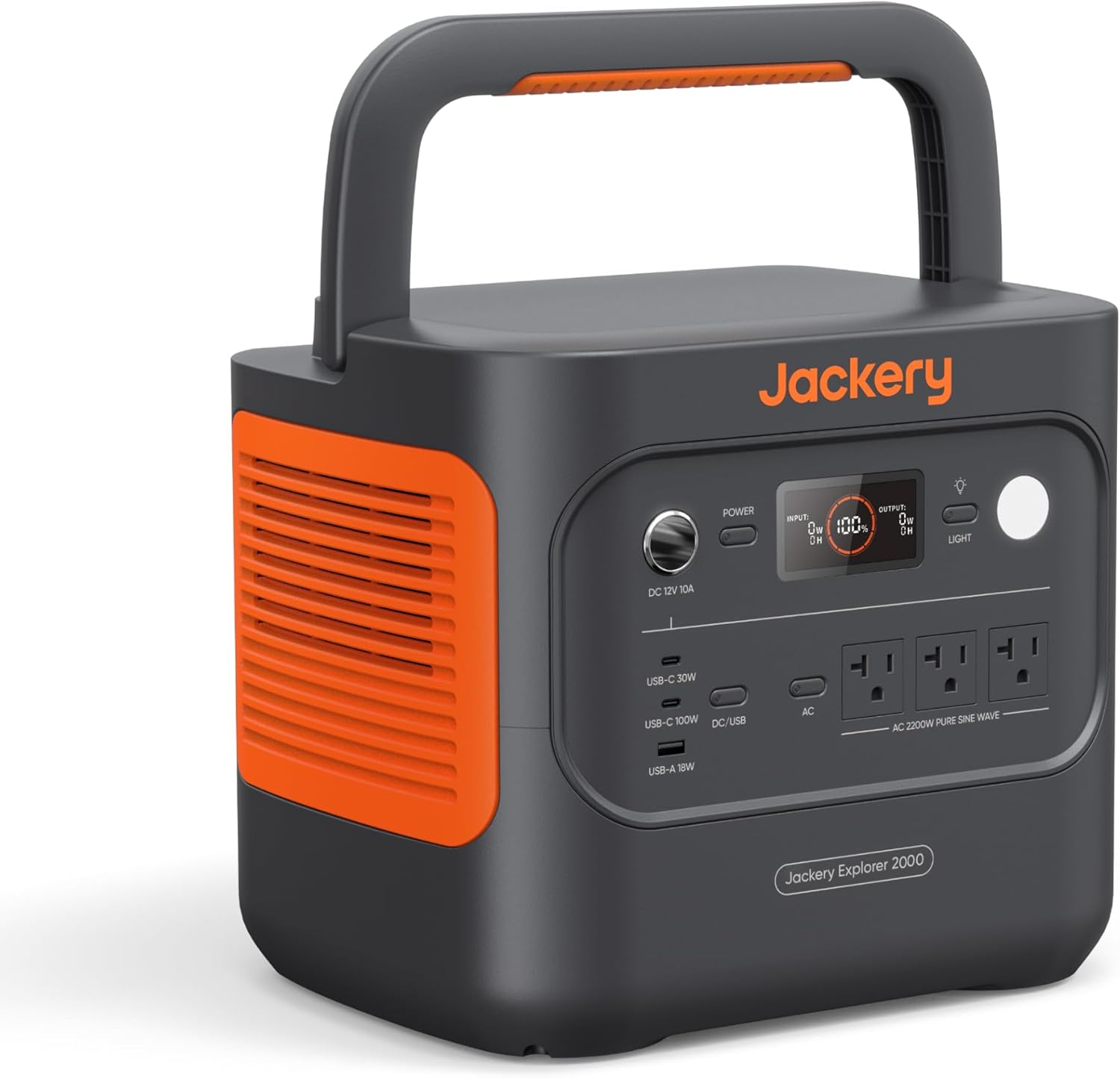
Jackery Explorer 2000 v2 Portable Power Station, 2042Wh LiFePO4 Home Backup Battery, 2200W Solar Generator with 20ms UPS, USB-C PD 100W Fast Charging
Portable Power Stations
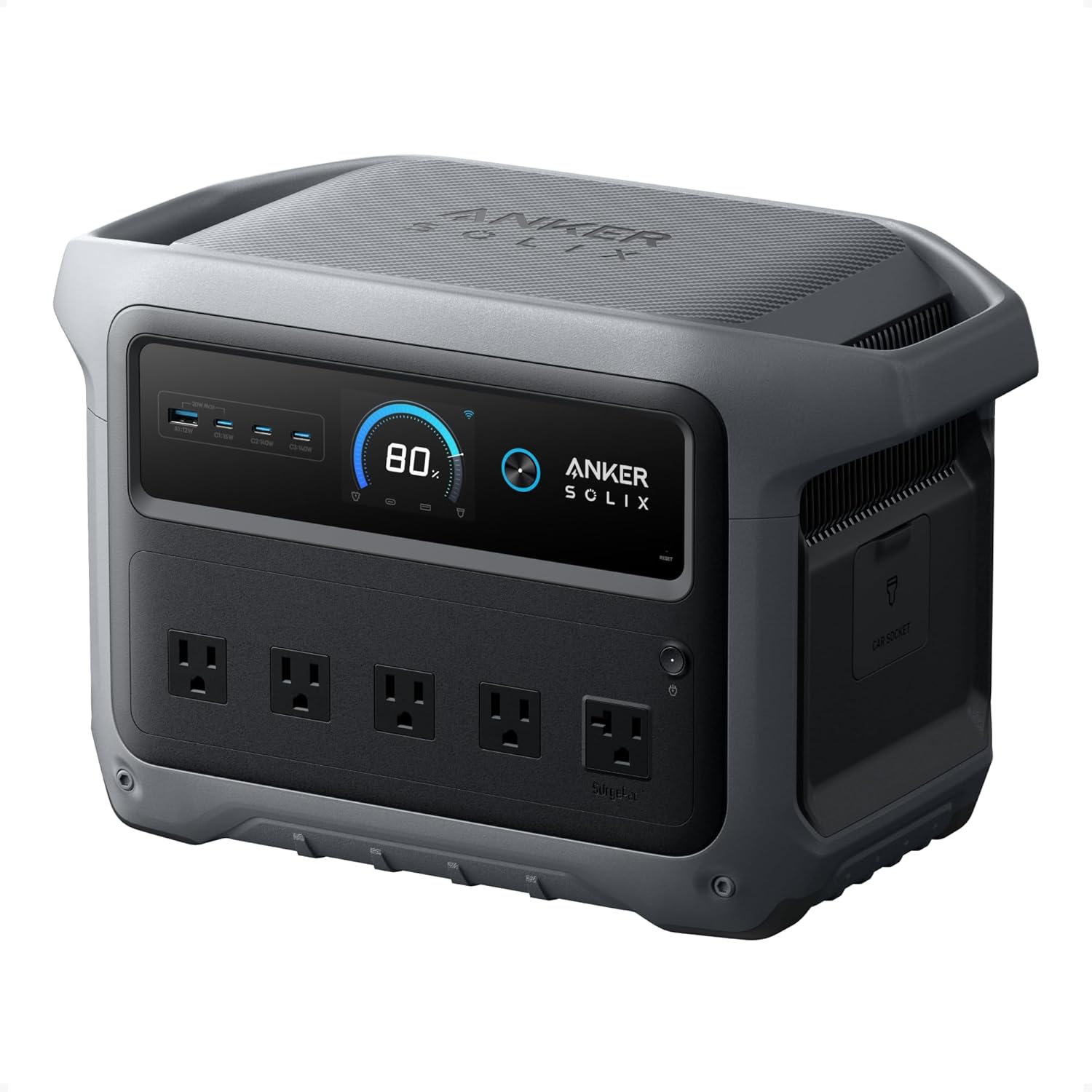
Anker SOLIX C1000 Gen 2 Portable Power Station, 2,000W (Peak 3,000W) Solar Generator, Full Charge in 49 Min, 1,024Wh LiFePO4 Battery for Home Backup
Portable Power Stations
Tip: bookmark this. These guides are built to stay accurate for years.