Transfer Switches and Interlock Kits Explained: Powering Your Home Safely During Outages
When power goes out, many homeowners focus on how much power they can generate — not how that power is connected. This is one of the most dangerous mistakes in backup power planning.
Unsafe generator connections can backfeed electricity into utility lines, damage home wiring, destroy appliances, and endanger utility workers. Transfer switches and interlock kits exist specifically to prevent these outcomes.
This article explains how transfer switches and interlock kits work, how they differ, and how to choose the right solution for safe power failure protection.
Why Safe Power Isolation Matters
During an outage, generators must be electrically isolated from the grid.
Without isolation:
- Electricity can backfeed into utility lines
- Utility workers face electrocution risk
- Home wiring can be overloaded
Isolation is not optional — it is the foundation of safe backup power.
What a Transfer Switch Does
A transfer switch physically disconnects the home from utility power before connecting backup power.
Key functions:
- Prevents simultaneous grid and generator connection
- Directs power to selected circuits
- Enforces correct switching order
Transfer switches can be manual or automatic.
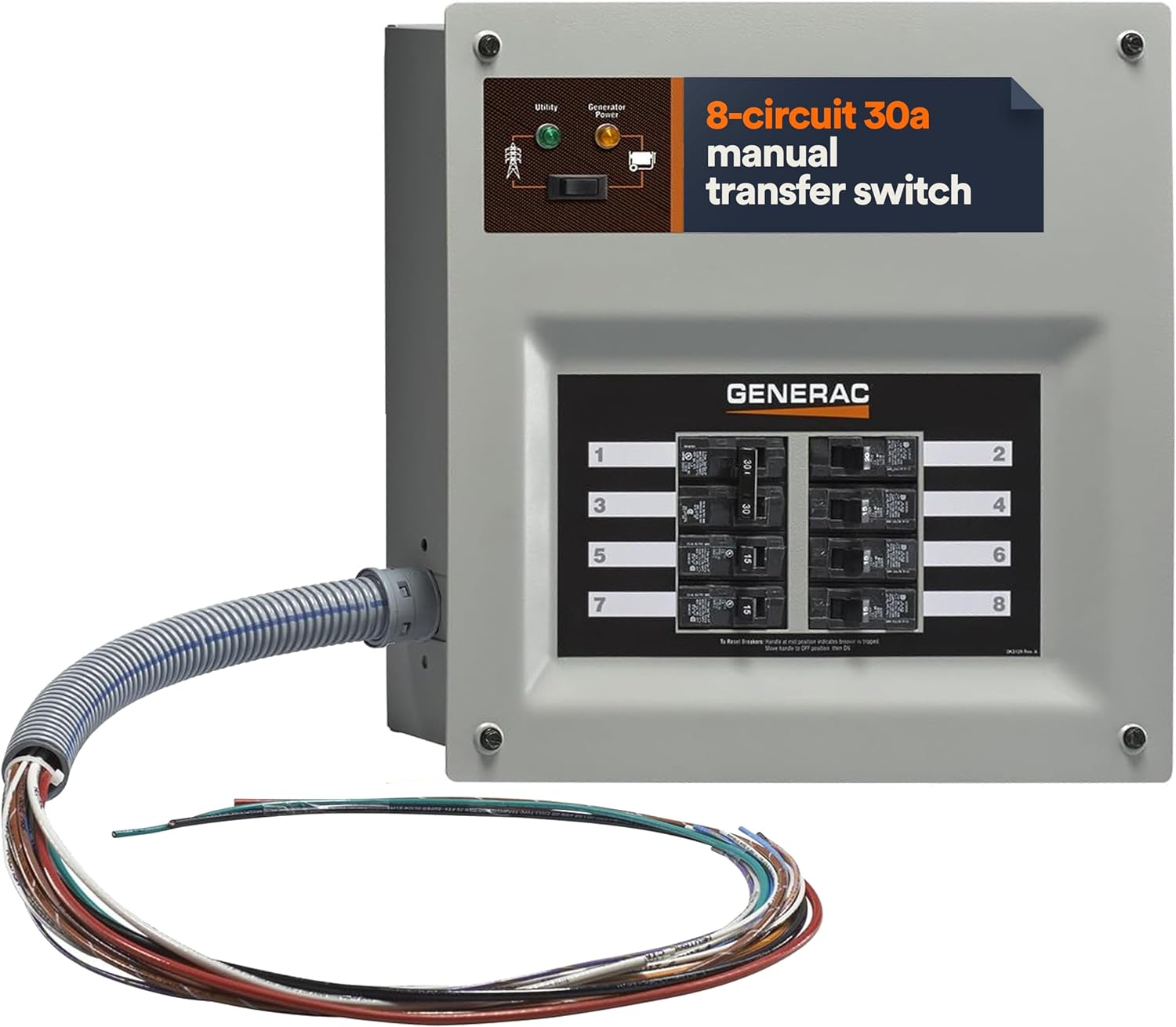
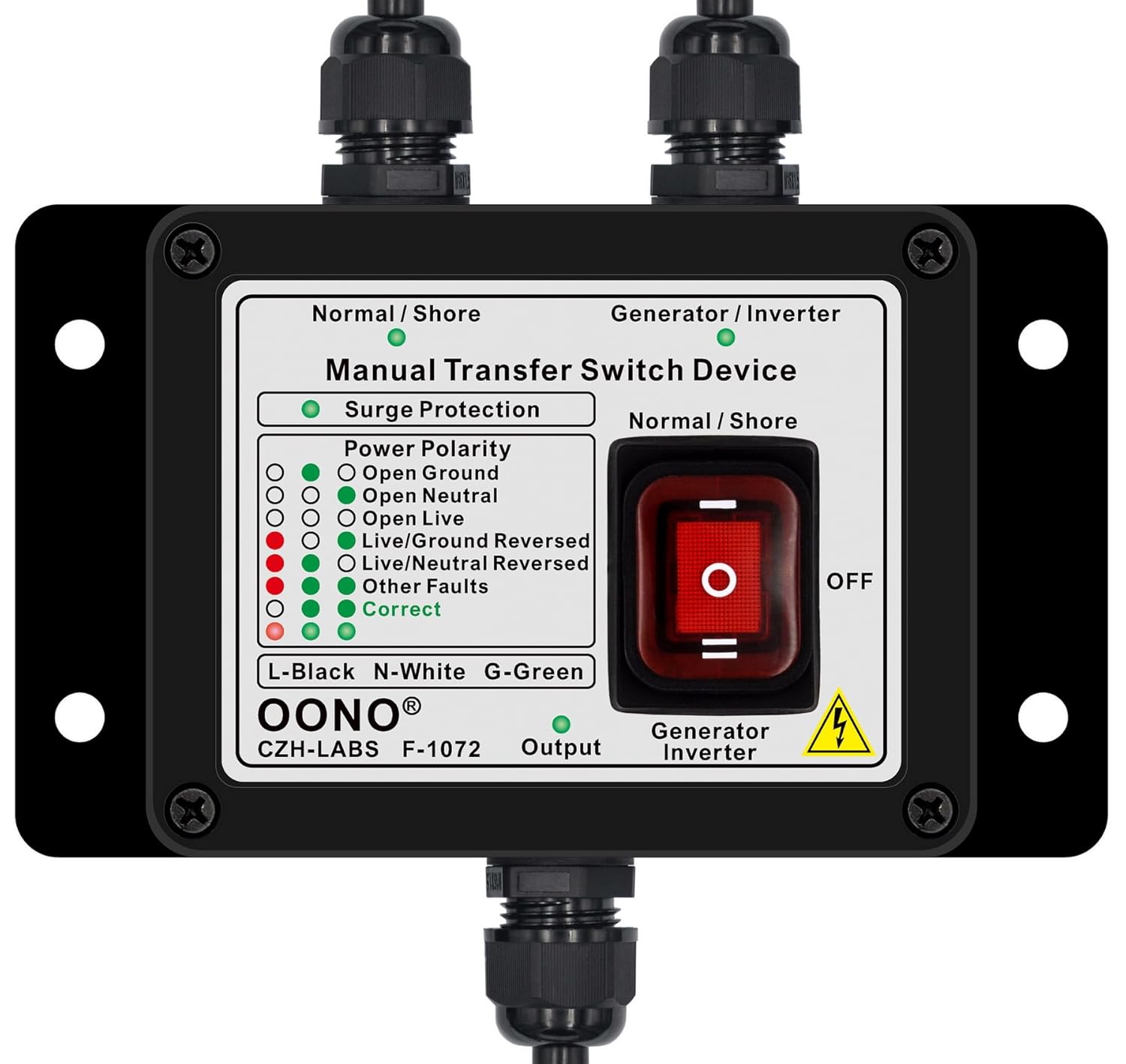
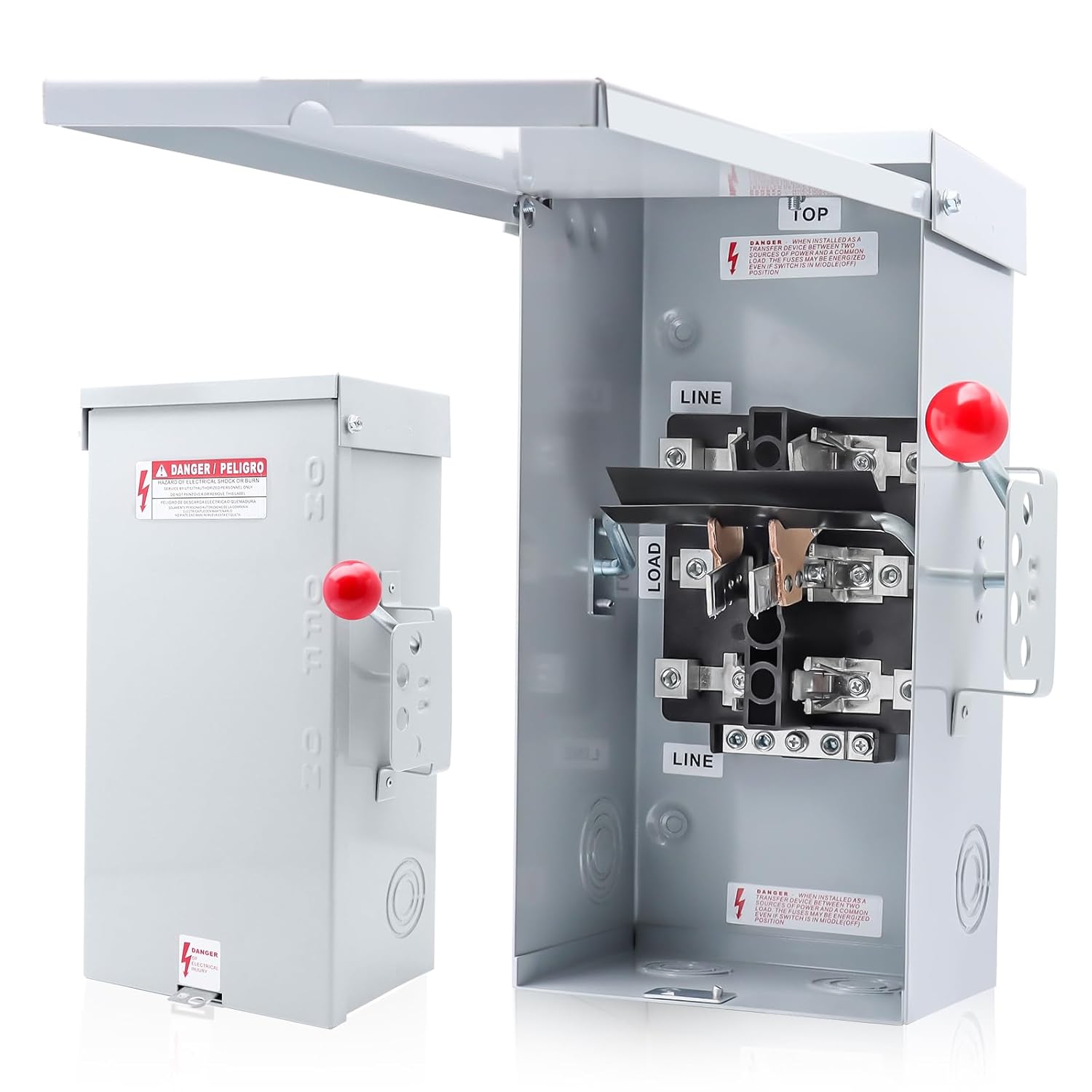
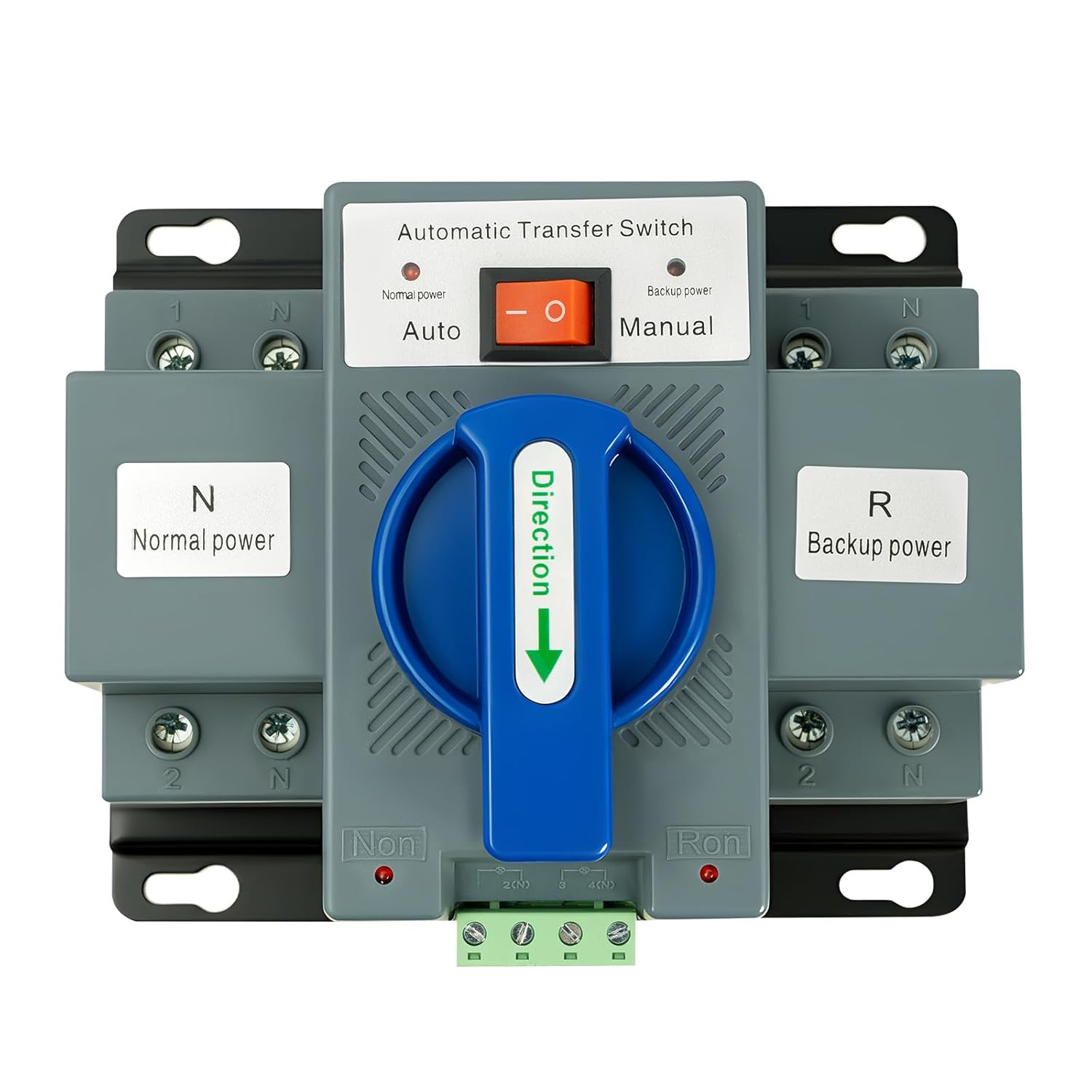
Manual Transfer Switches
Manual switches require human action during outages.
Advantages:
- Lower cost
- Simpler installation
Limitations:
- Require presence during outages
- Higher chance of user error
They are best suited for smaller systems and informed users.
Automatic Transfer Switches (ATS)
Automatic transfer switches respond instantly to outages.
Benefits:
- No user intervention required
- Faster response time
- Better protection for unattended homes
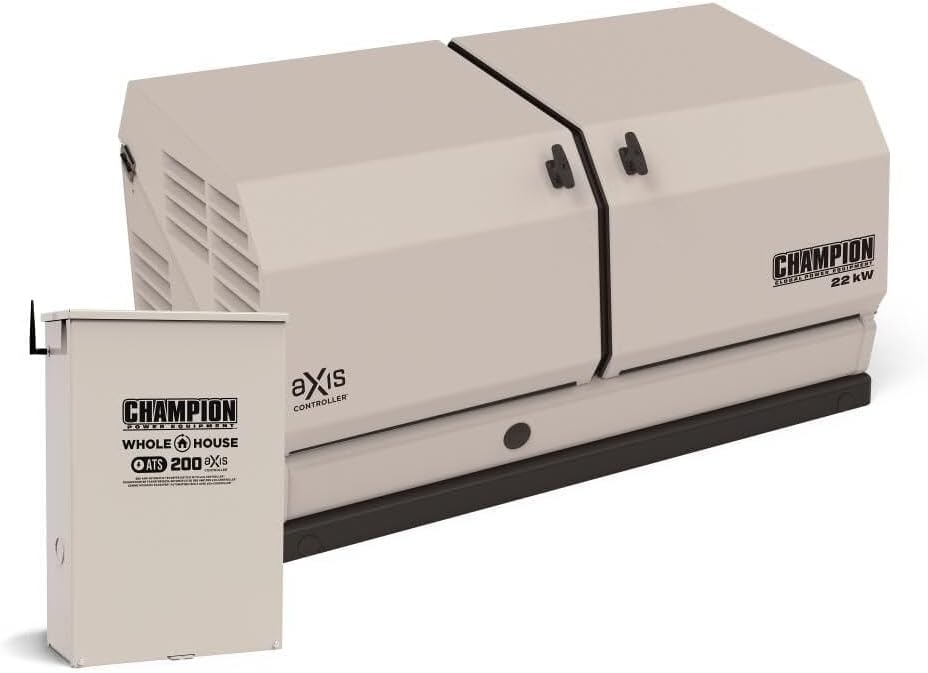
ATS units are commonly paired with standby generators.
What an Interlock Kit Does
Interlock kits mechanically block breakers so only one power source can be active.
How they work:
- Physically prevents main breaker and generator breaker from being on together
- Uses the existing panel
- Relies on breaker sequencing
Interlocks are not universal and must match the panel model.
Transfer Switch vs Interlock Kit
Both methods provide isolation, but differ in implementation.
Transfer switches:
- Feed selected circuits
- Provide clear labeling
- Higher cost
Interlock kits:
- Power the entire panel (within limits)
- Lower cost
- Require careful load management
Choice depends on system size, budget, and user discipline.
Code Compliance and Permits
Electrical codes govern backup power connections.
Common requirements:
- Approved isolation method
- Proper labeling
- Professional installation or inspection
Improper installations can void insurance and violate local codes.
Common and Dangerous Mistakes
- Backfeeding through dryer outlets
- Using suicide cords
- Skipping permits
- Assuming breakers alone provide isolation
These practices are extremely dangerous and illegal in many areas.
Choosing the Right Isolation Method
Selection should be based on risk, not convenience.
Consider:
- Generator size
- Critical load strategy
- Who will operate the system
The safest system is the one that cannot be misused.
Final Takeaway
Transfer switches and interlock kits are not optional accessories — they are life-safety devices. Proper isolation protects your home, your equipment, and the people working to restore power. If backup power is part of your plan, safe switching must be part of it too.
Related Products