Whole-House Power Failure Risk Assessment: What Actually Needs Backup (And What Doesn’t)
Updated: 2026-01-23
3 min read
Power Outages Risk Assessment Backup Planning Home Safety
When planning power failure protection, most homeowners start by shopping for equipment. This is backwards. Effective backup power starts with understanding risk — what fails, how fast it fails, and what damage occurs if it stays offline.
A whole-house power failure risk assessment prevents two costly mistakes: overspending on unnecessary capacity and underprotecting critical systems.
This guide walks through a practical, system-by-system assessment you can apply to any home.
Why “Whole-House Backup” Is Often Misunderstood
The phrase “whole-house backup” implies everything must stay on.
In reality:
- Most loads are optional during outages
- Some loads are dangerous to power incorrectly
- Critical systems represent a small fraction of total usage
Trying to power everything increases cost and complexity without improving safety.
Failure Timeline: Minutes, Hours, Days
Different systems fail on different timelines.
Immediate failures (minutes):
- Lighting
- Internet routers without battery backup
- Electric cooking appliances
Short-term failures (hours):
- Refrigerators and freezers
- Sump pumps
- Heating system controls
Long-term failures (days):
- Frozen plumbing
- Food spoilage
- Water contamination in wells
Mapping failure timelines is the foundation of proper backup sizing.
Step 1: Identify Life-Safety Loads
Life-safety loads must remain operational.
These typically include:
- Medical devices
- Sump pumps
- Heating controls
- CO and fire detection
If these loads fail, damage or injury can occur quickly.
## Top Power Monitoring Picks
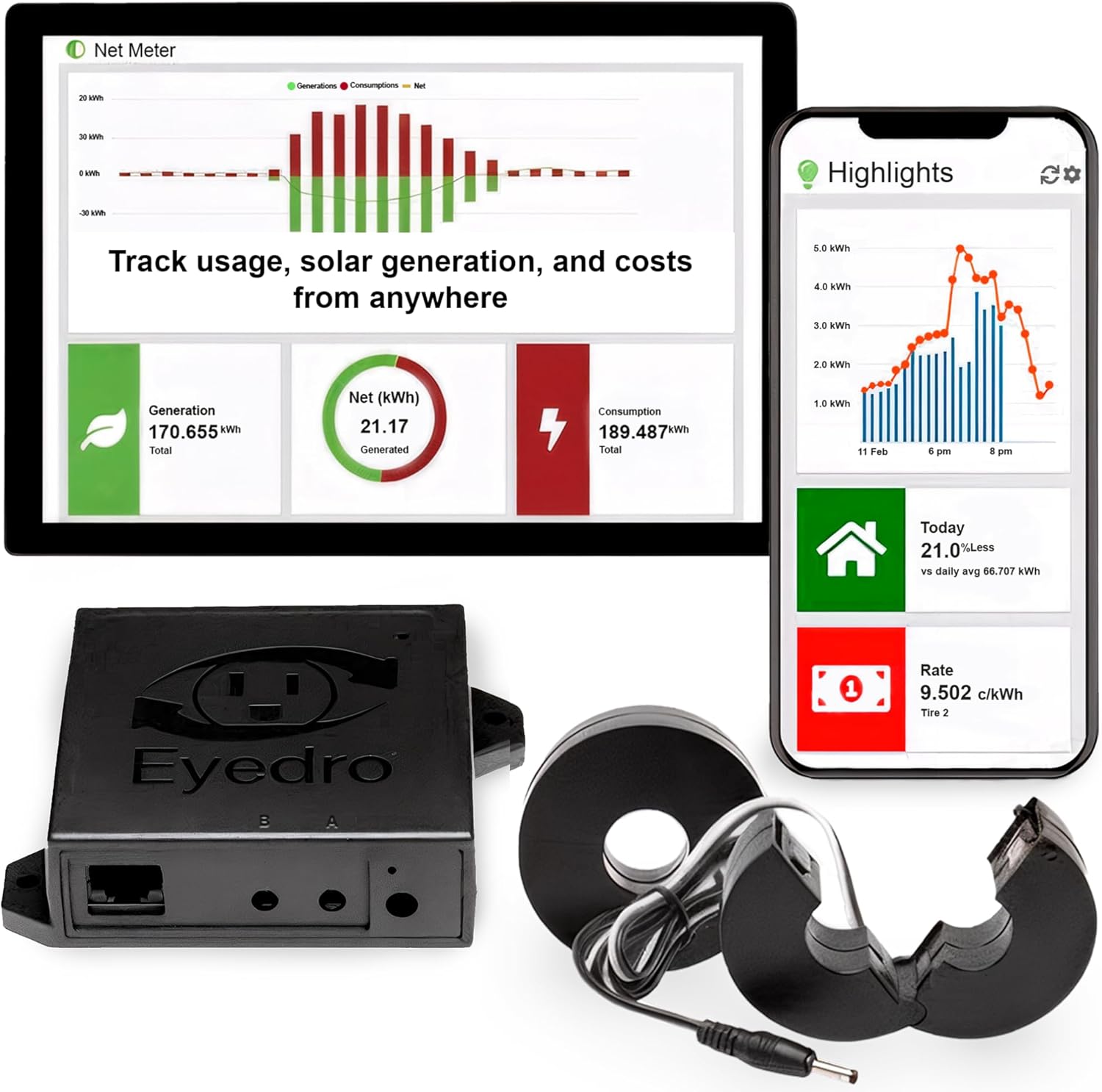
Eyedro Home Energy Monitor – Real-Time Electricity Usage Monitor with Solar Net Metering – Whole House Power Consumption Monitor – WiFi/Ethernet Smart
Power Monitoring
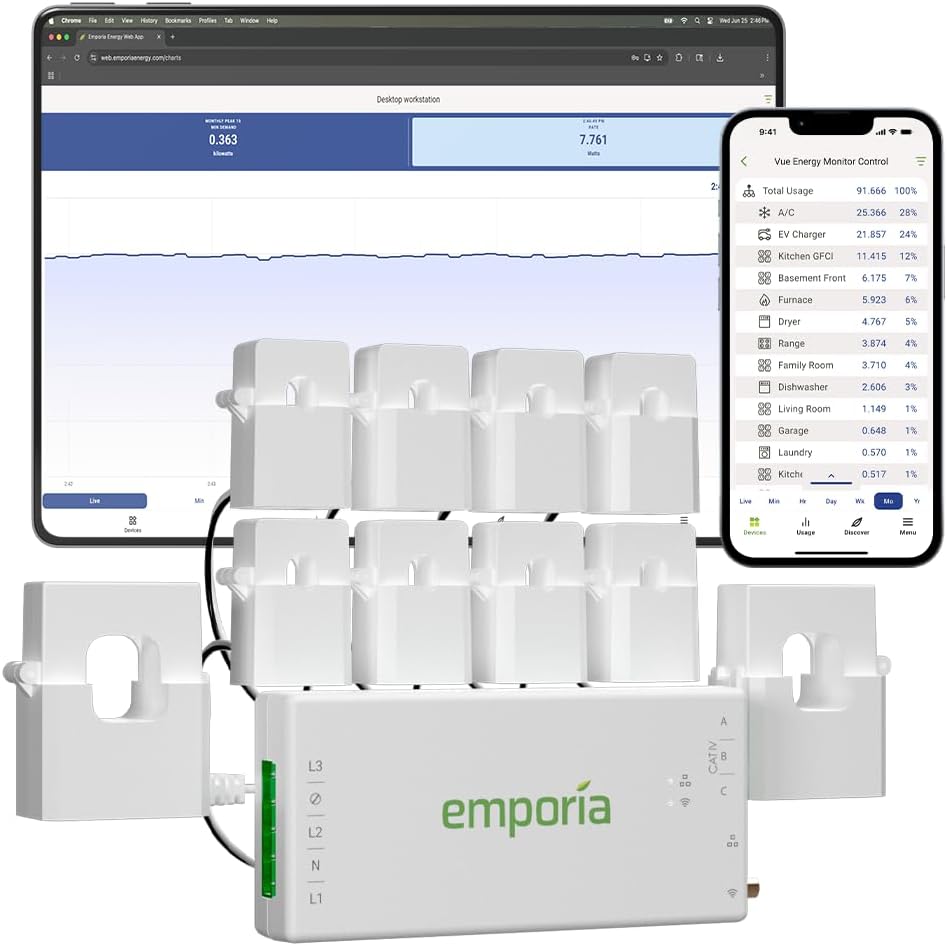
Smart Home Energy Monitor with 8 50A Circuit Level Sensors | Vue - Real Time Electricity Monitor/Meter | Solar/Network Measurement
Power Monitoring
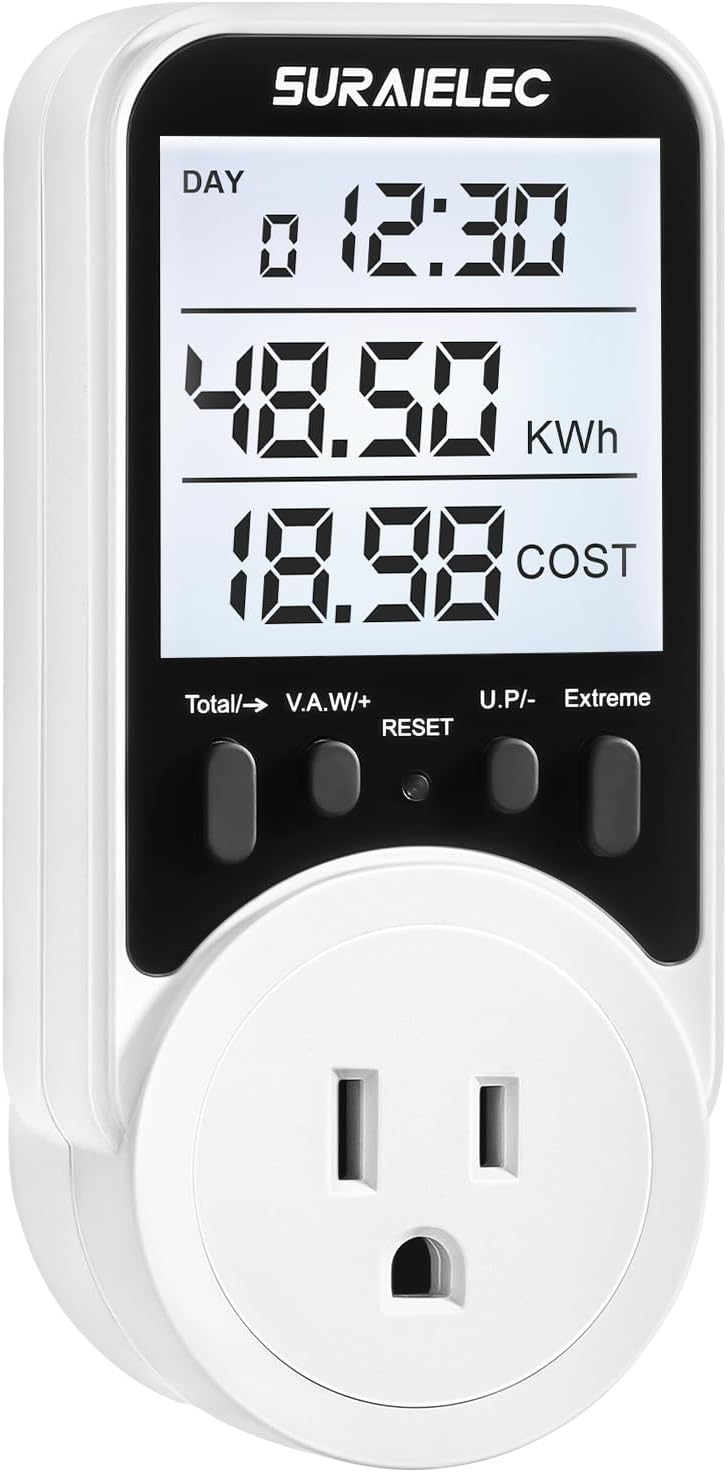
Suraielec Watt Meter, Plug-in Socket Power Meter, 90V-250V Wide Range, Backlit Large Display, Auto Cost Calculator, Overload Protection, Kilowatt Wattage
Power Monitoring
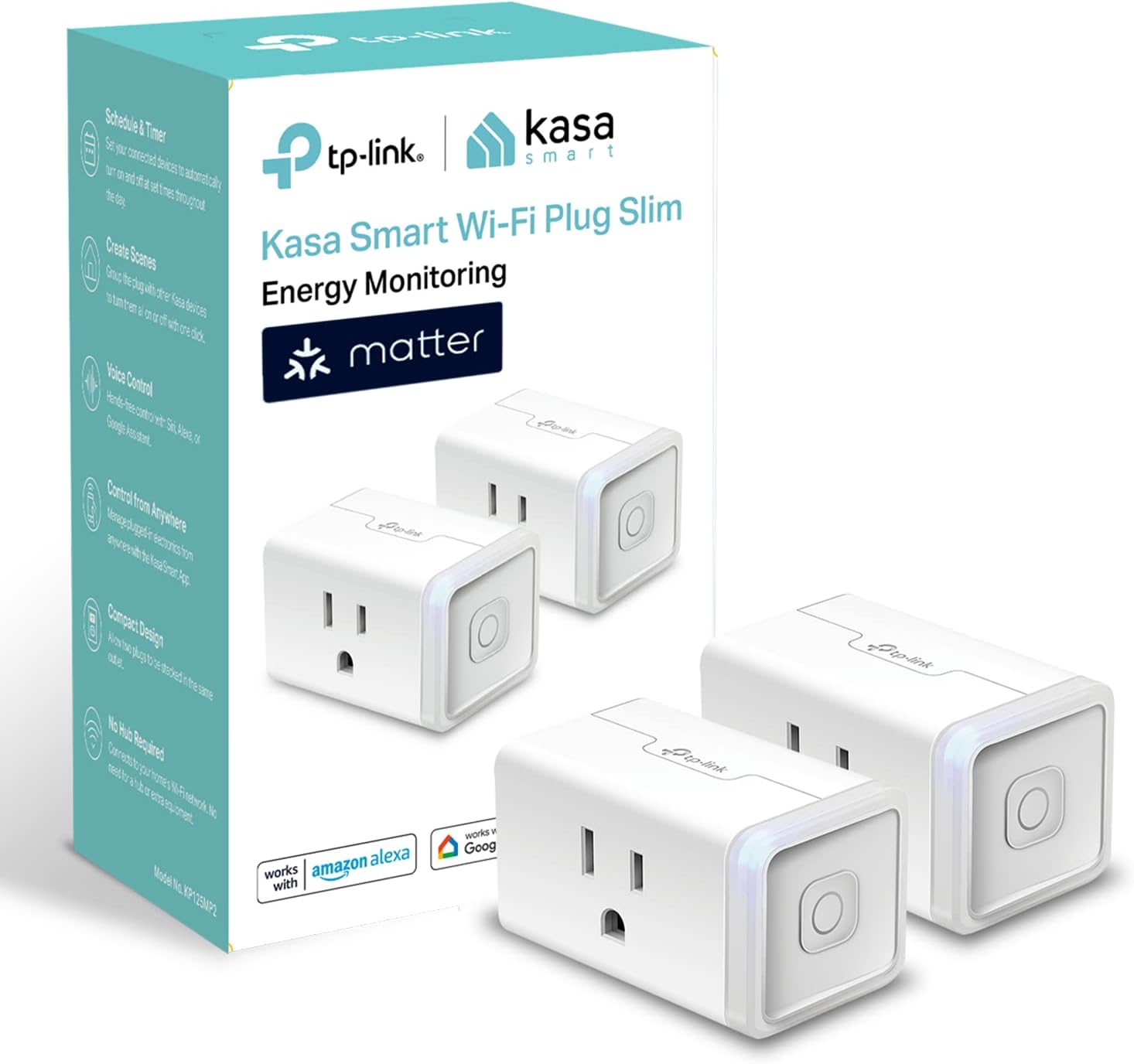
Kasa Matter Smart Plug w/ Energy Monitoring, Compact Design, 15A/1800W Max, Super Easy Setup, Works with Apple Home, Alexa & Google Home, UL Certified
Power Monitoring
Step 2: Identify Damage-Prevention Loads
These loads prevent expensive property damage.
Examples include:
- Refrigeration
- Well pumps
- Dehumidifiers in flood-prone areas
Damage-prevention loads often justify backup even if not strictly life-critical.
Step 3: Identify Comfort and Convenience Loads
Comfort loads improve quality of life but are optional.
Examples:
- Entertainment systems
- Electric cooking
- Garage door openers
These loads should only be included after critical systems are secured.
Understanding Wattage vs Surge Requirements
Many systems require high startup power.
Common surge-heavy loads:
- Refrigerators
- Sump pumps
- Well pumps
Ignoring surge requirements leads to tripped inverters and stalled generators.
## Top Battery Backup Systems Picks
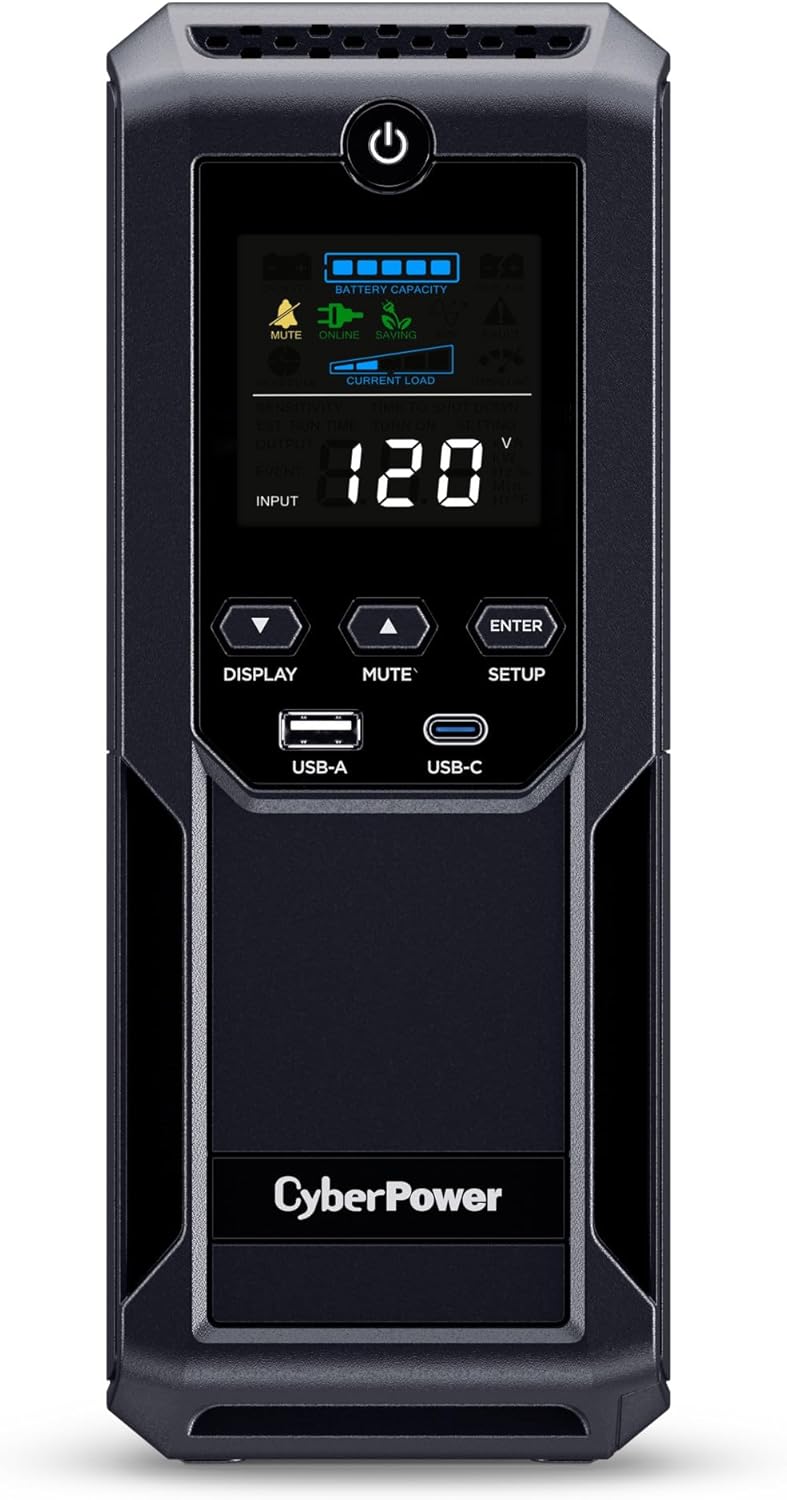
CyberPower CP1500AVRLCD3 Intelligent LCD UPS System, 1500VA/900W, 12 Outlets, 2 USB Ports, AVR, Mini Tower, Black
Battery Backup Systems
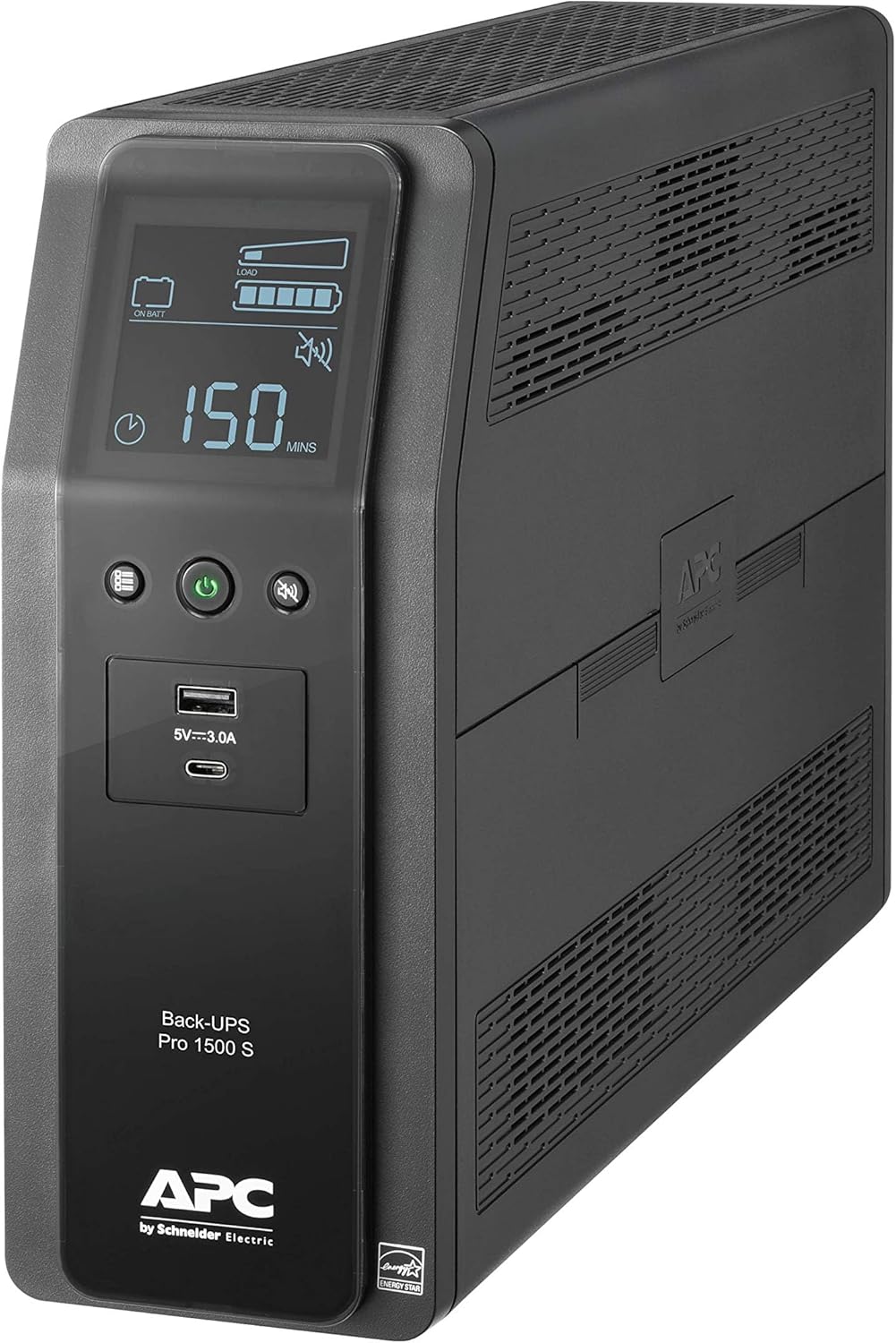
APC UPS 1500VA Sine Wave UPS Battery Backup, BR1500MS2 Backup Battery Power Supply with AVR, (2) USB Charger Ports
Battery Backup Systems
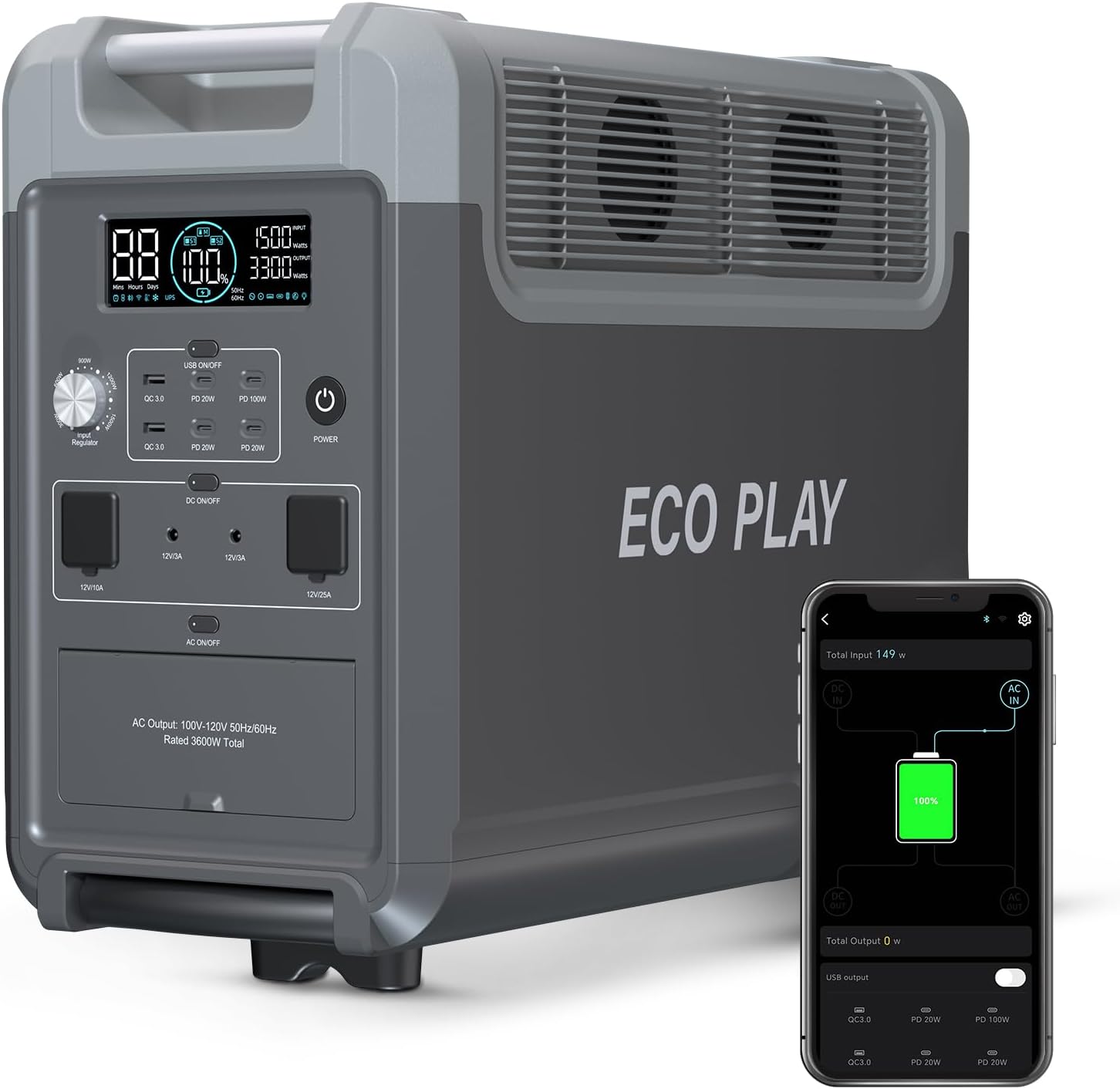
Portable Power Station, 3840Wh LiFePO4 Battery, Expandable to 11520Wh, Fully Charged in 3H, Adjustable Input Power, UPS, 3600W Solar Generator for Outdoor RV
Battery Backup Systems
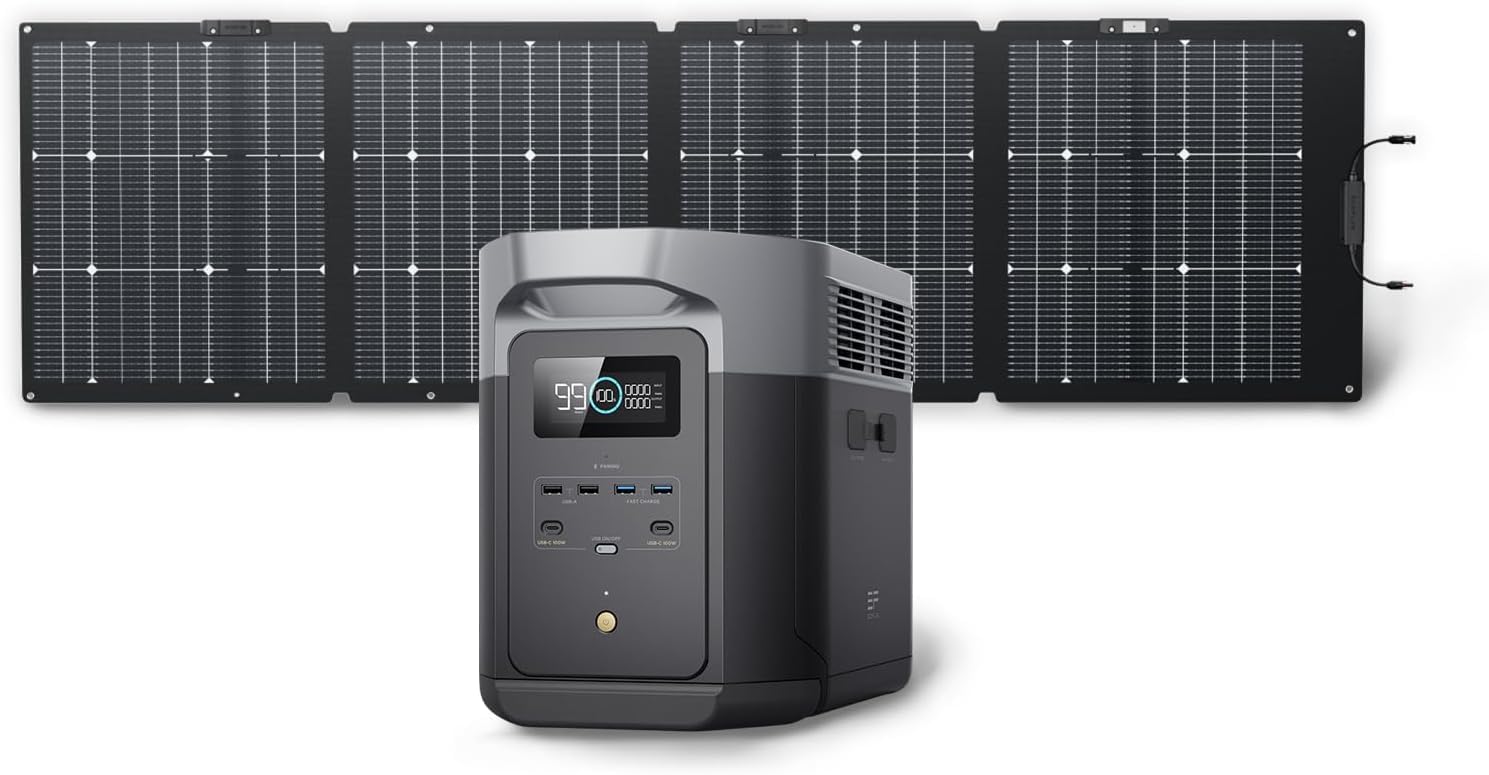
EF ECOFLOW Solar Generator DELTA 2 Max 2048Wh with 220W Solar Panel, LiFePO4 Battery Portable Power Station, Up to 3400W AC Output, AC + Solar
Battery Backup Systems
Electrical Panels and Load Grouping
How circuits are grouped matters more than total wattage.
Important considerations:
- Which circuits feed critical loads
- Shared circuits that complicate isolation
- Breaker labeling accuracy
Poor panel organization often drives unnecessary upgrades.
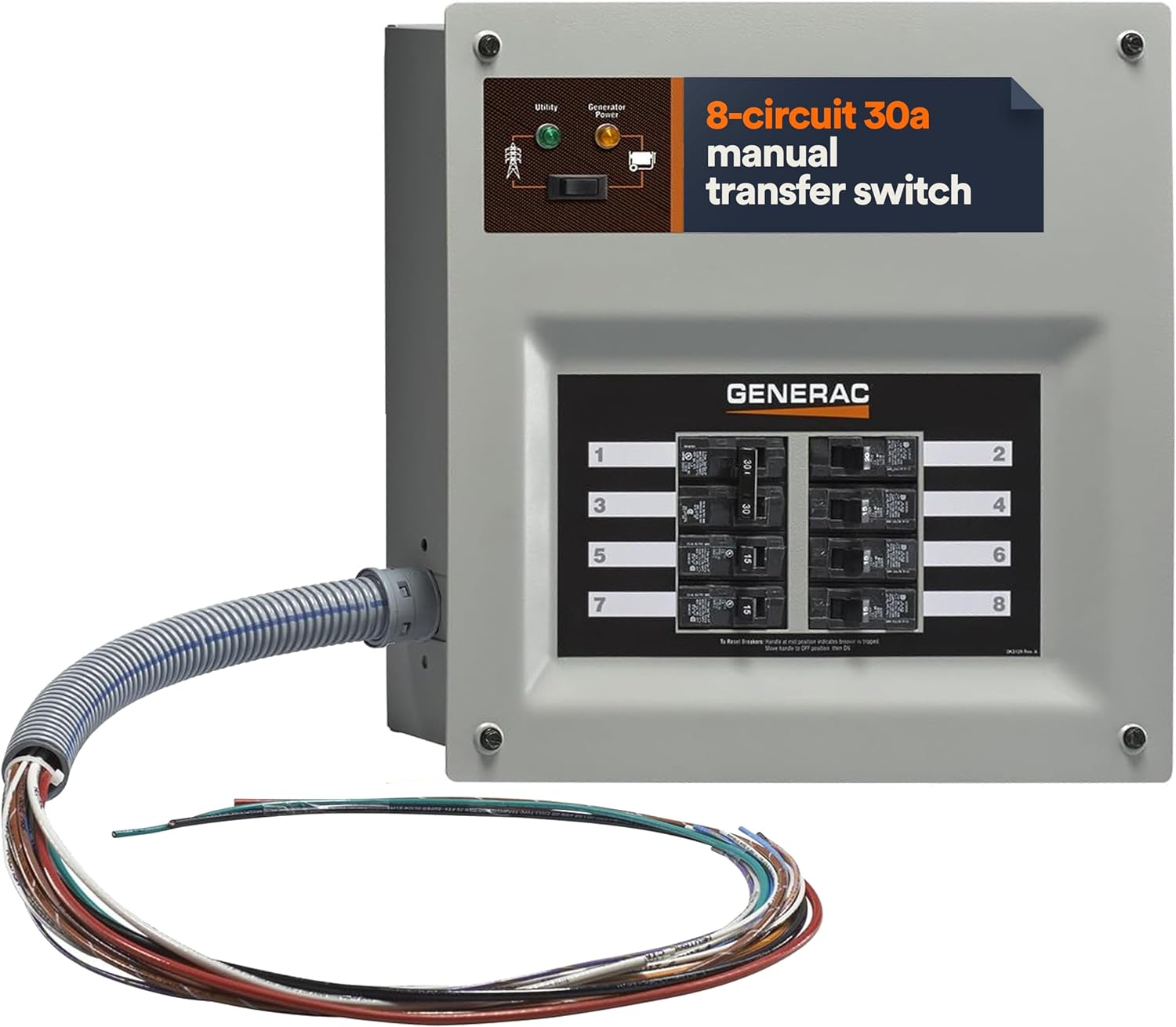
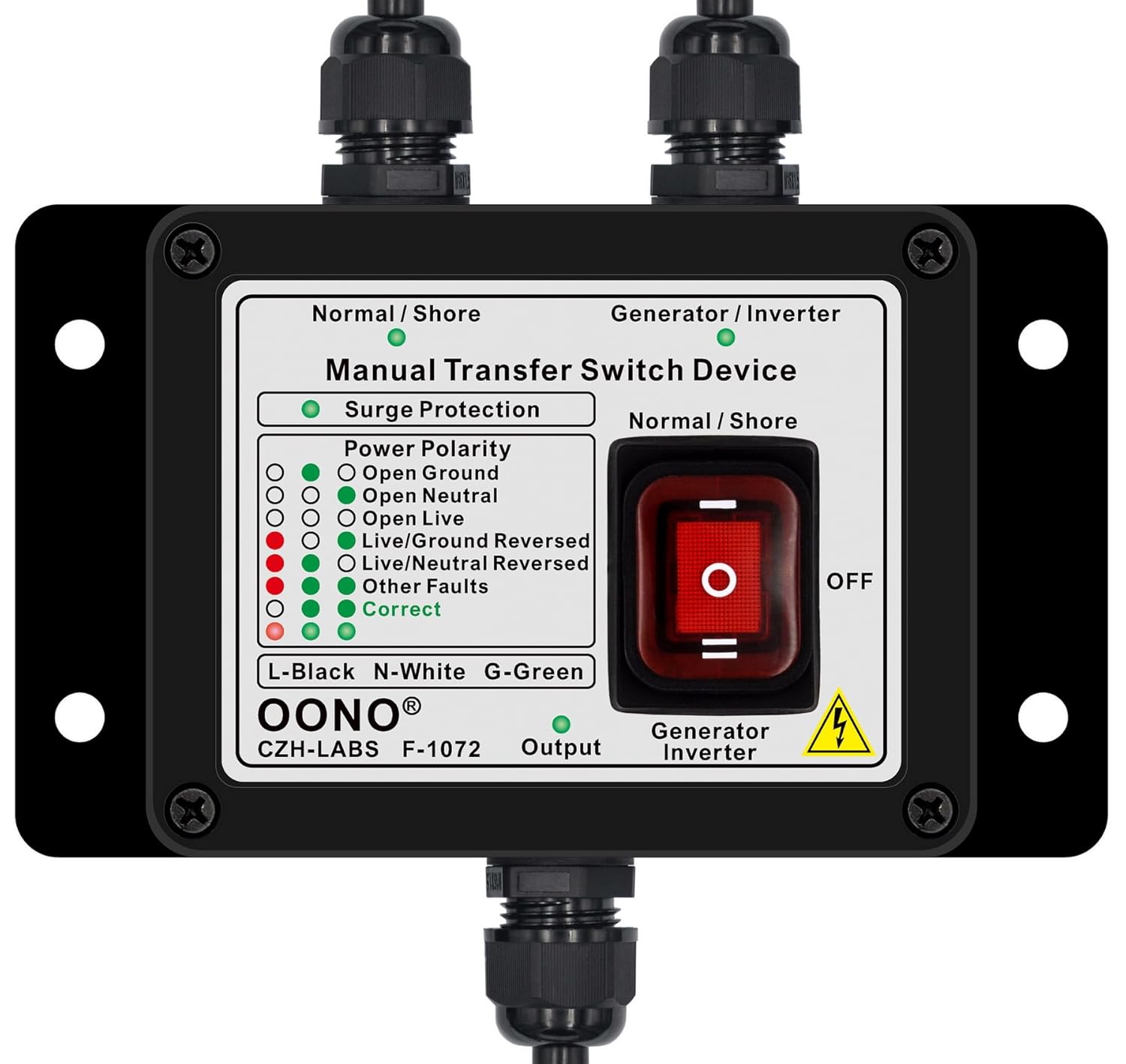
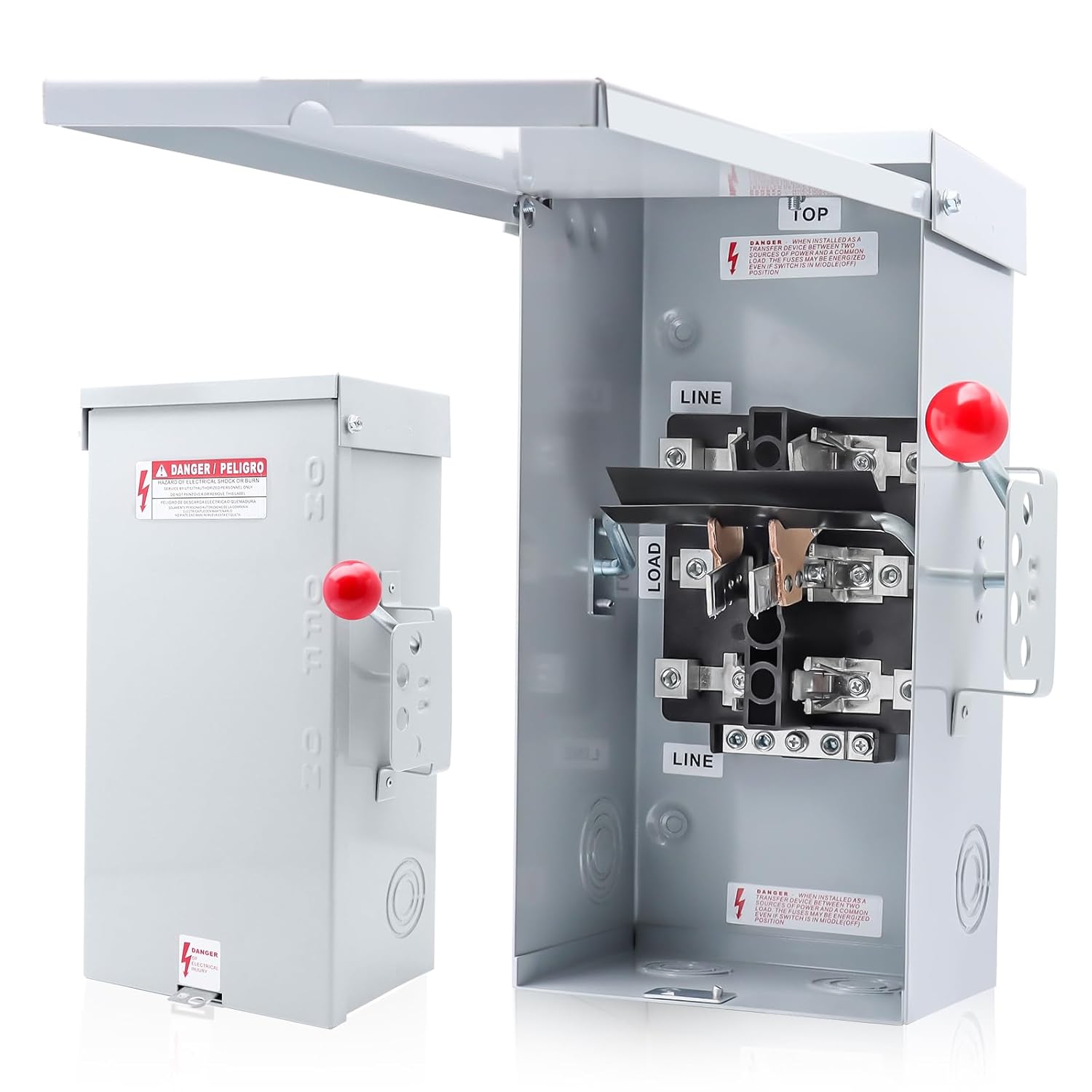
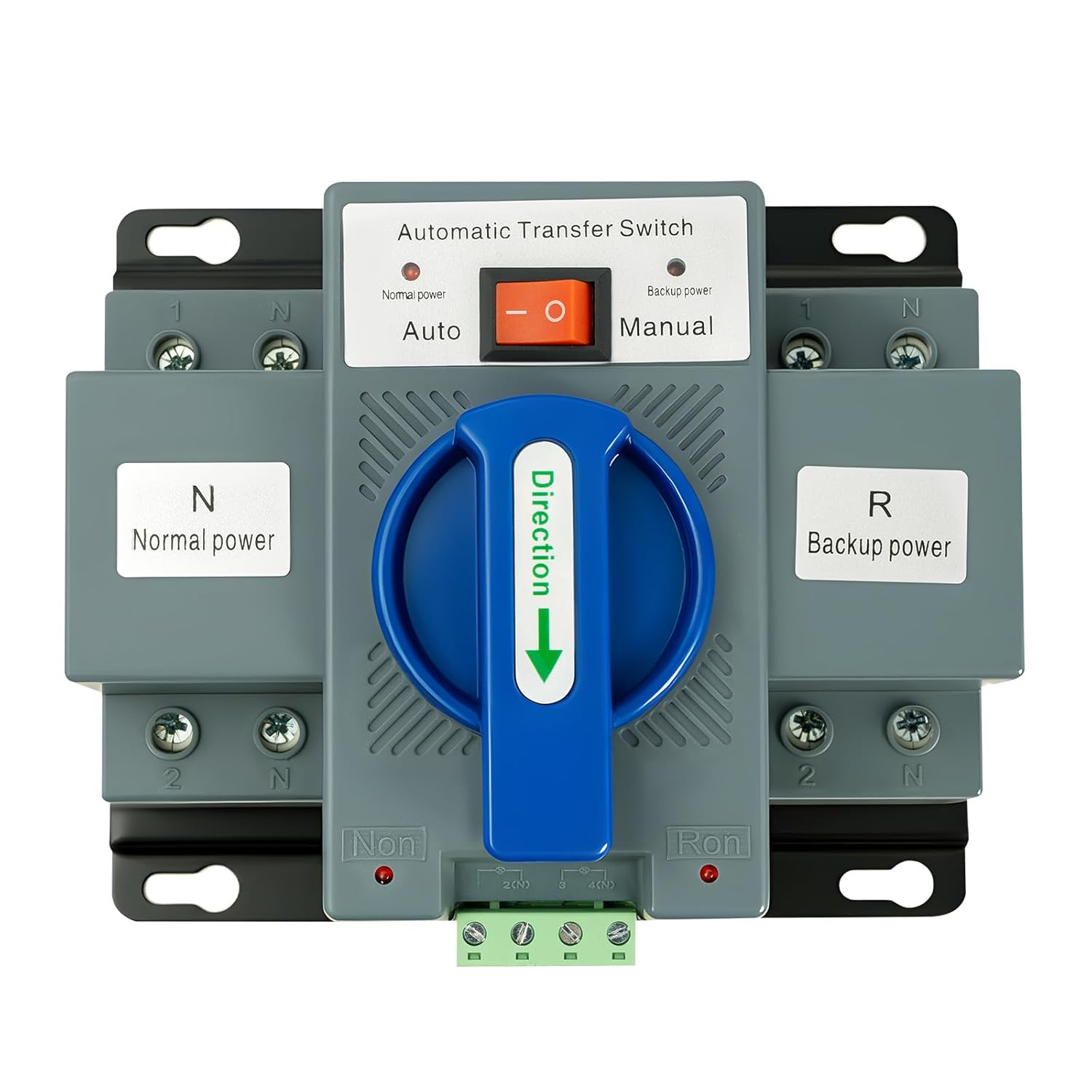
Manual vs Automatic Backup Decisions
Manual systems rely on human action.
Automatic systems:
- Respond instantly
- Reduce error
- Protect unattended homes
Risk tolerance determines which approach is appropriate.
## Top Transfer Switches Picks
Documenting Your Risk Assessment
Written plans reduce stress during outages.
A good assessment includes:
- Critical load list
- Power requirements
- Backup duration targets
Documentation also simplifies future upgrades.
Common Risk Assessment Mistakes
- Including too many loads
- Ignoring surge power
- Failing to test assumptions
- Designing for rare worst-case scenarios
Final Takeaway
A whole-house power failure risk assessment turns fear into clarity. By identifying what truly matters and when it fails, you can build a backup system that is safer, cheaper, and far more reliable.
Related Products
## More Random Picks
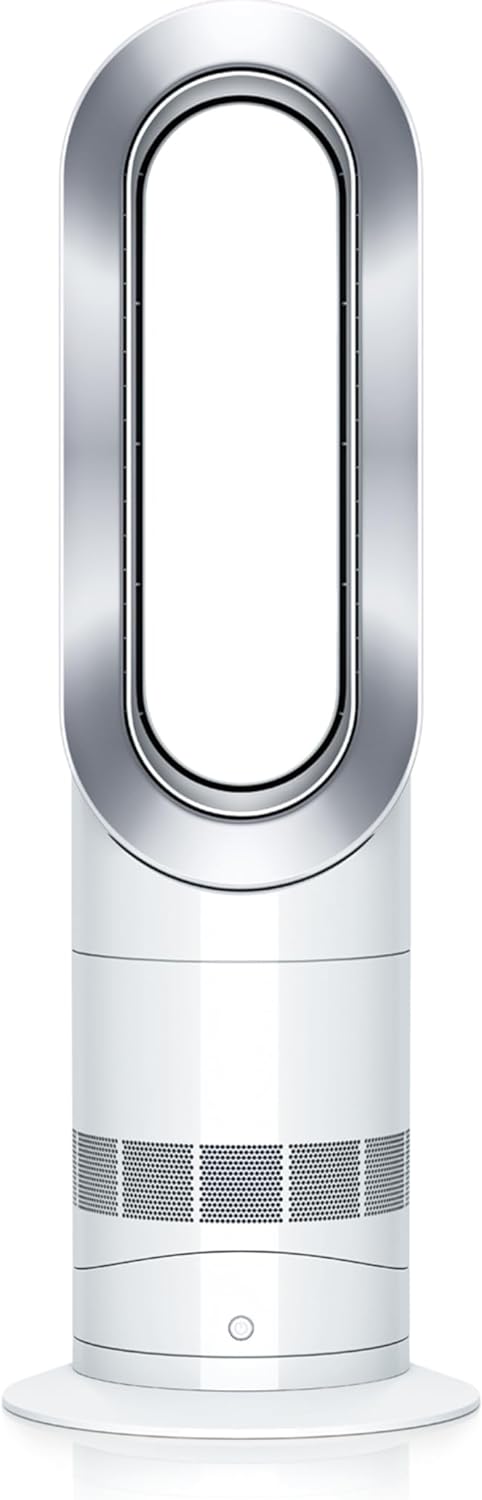
Dyson Hot+Cool Fan Heater AM09 - White
Safe Space Heaters
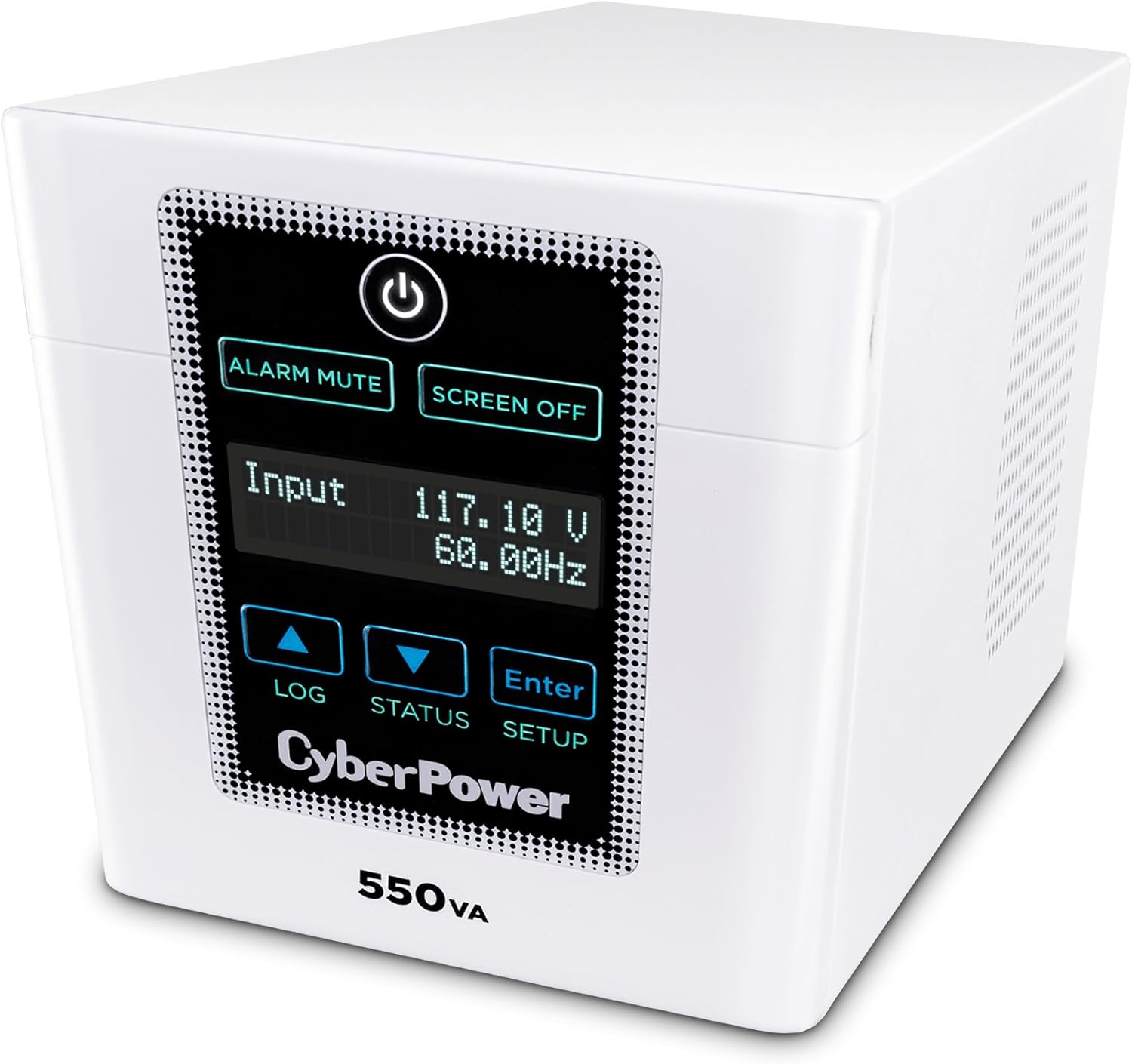
CyberPower M550L Medical-Grade UPS System, 550VA/440W, 4 Outlets, AVR, Tower
Ups Systems
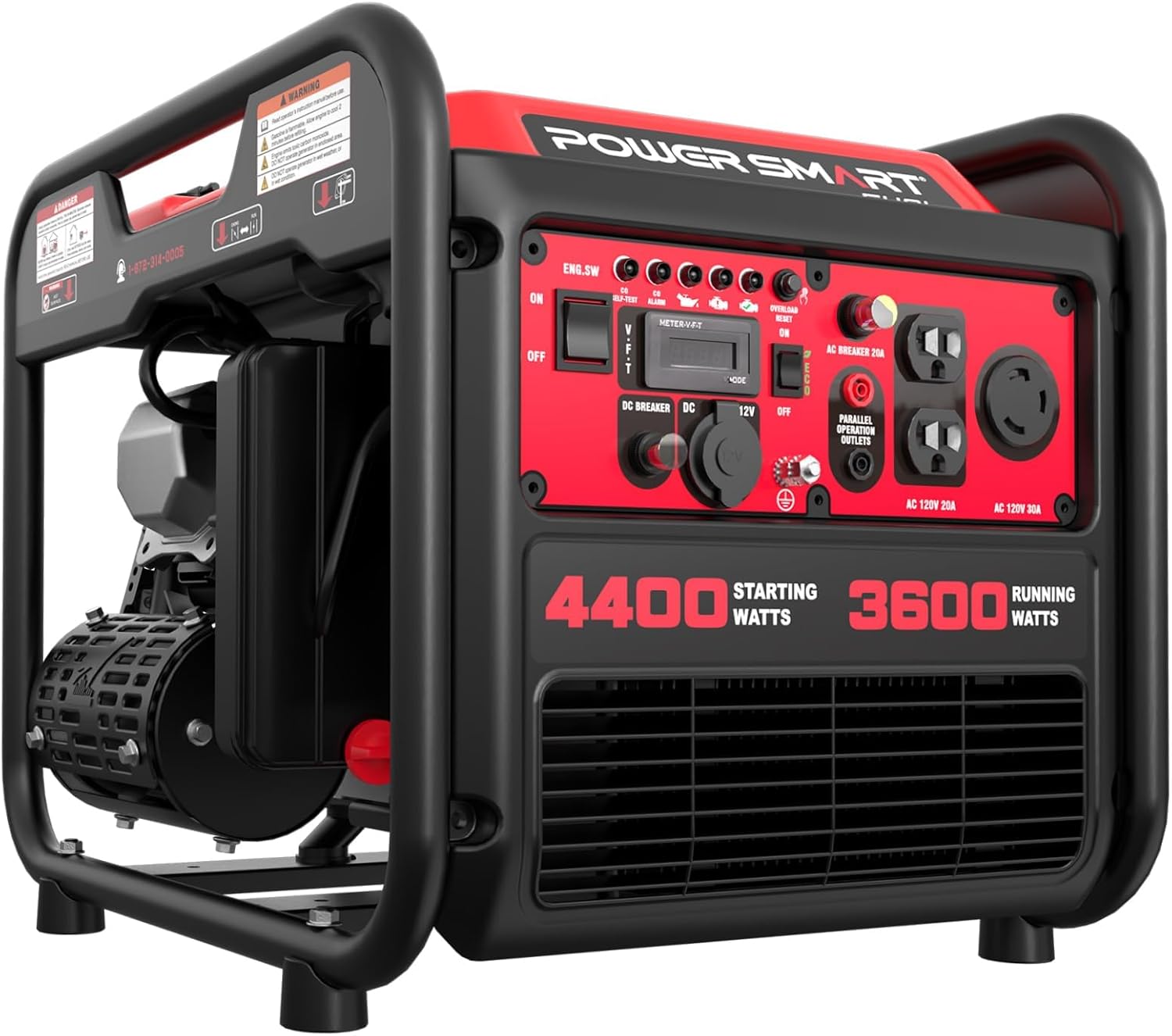
PowerSmart 4400W Portable Generator with Inverter Technology, Gas Generator for Home Use, Jobsit, Hurricane Emergency, RV Ready with 30A Outlet
Home Generators
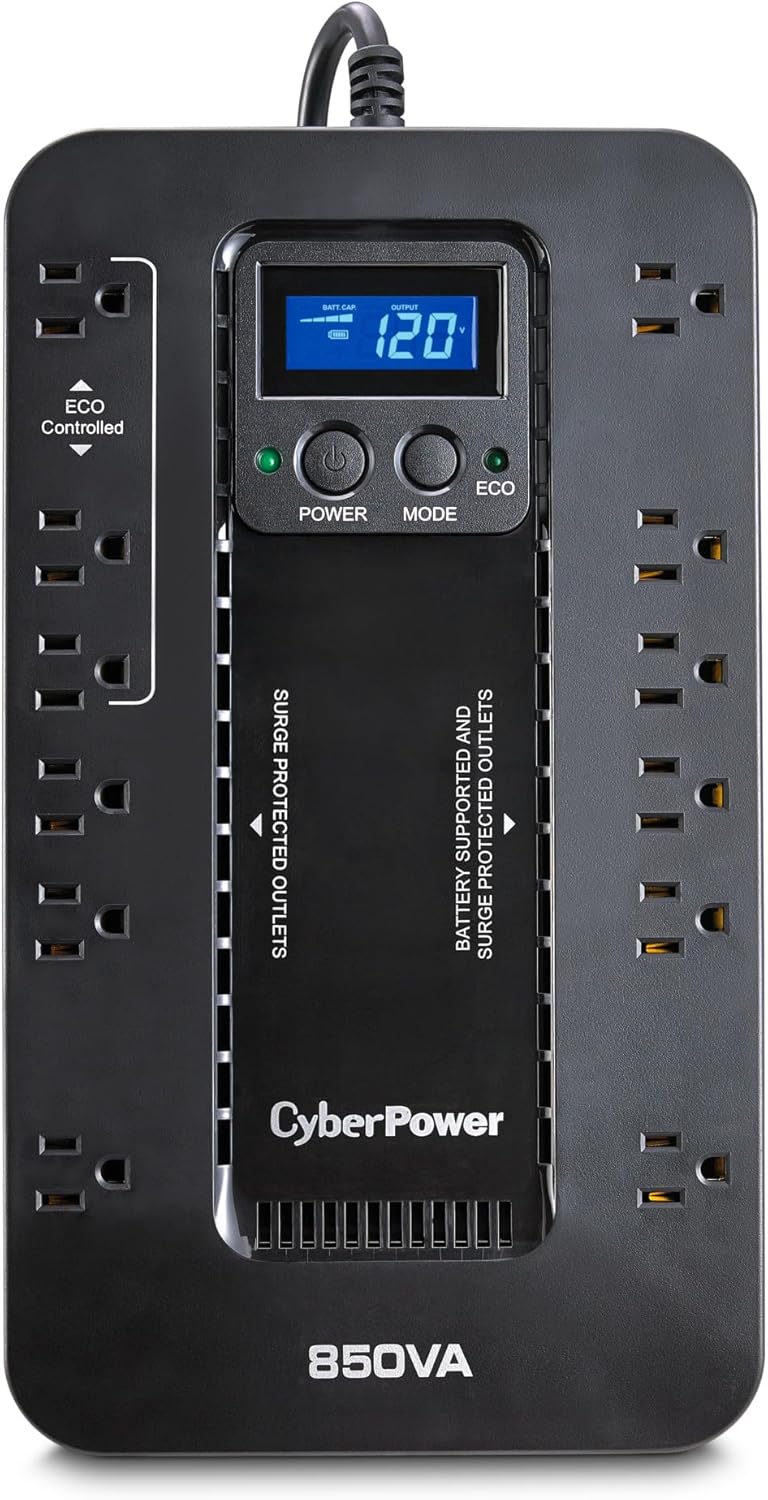
CyberPower EC850LCD Ecologic Battery Backup & Surge Protector UPS System, 850VA/510W, 12 Outlets, ECO Mode, Compact, Uninterruptible Power Supply
Ups Systems
Eyedro Home Energy Monitor – Real-Time Electricity Usage Monitor with Solar Net Metering – Whole House Power Consumption Monitor – WiFi/Ethernet Smart
Power Monitoring
GoveeLife WiFi Thermometer Hygrometer H5103, Indoor Bluetooth Temperature Humidity Sensor with Electronic Ink Display, App Notification Alert
Temperature Monitoring
Champion Power Equipment 100900 2000-Watt Dual Fuel Inverter Generator, Ultralight
Propane Generator Systems
Manual Transfer Switch, AC120V 15Amp, with Surge Protection and Power Polarity Monitoring, for Generator, Inverter, Solar. OONO F-1072
Transfer Switches
Satisure Power Failure Alarm, 7 Sirens, 0-110dB Adjustable LED, 12H Alert, Black, Touch Control, Wall Mount, 110dB, 185.8m Range
Power Outage Alerts
100A Generator Transfer Switch 24000W General-Duty Double-Throw Safety Switch 120/240-Volt 100 Amps Generator Manual Power Transfer Switches
Transfer Switches
Smart Wireless Temperature/Humidity Sensor Wide Range (-22 to 158 Degrees) for Freezer Fridge Monitoring Pet Cage/Tank Monitoring Smartphone Alerts
Temperature Monitoring
Power Failure Detector with Text Message and Email Alerts. Sends SMS Power Outage Alarms and Restoration Alerts to Two Phones
Power Outage Alerts
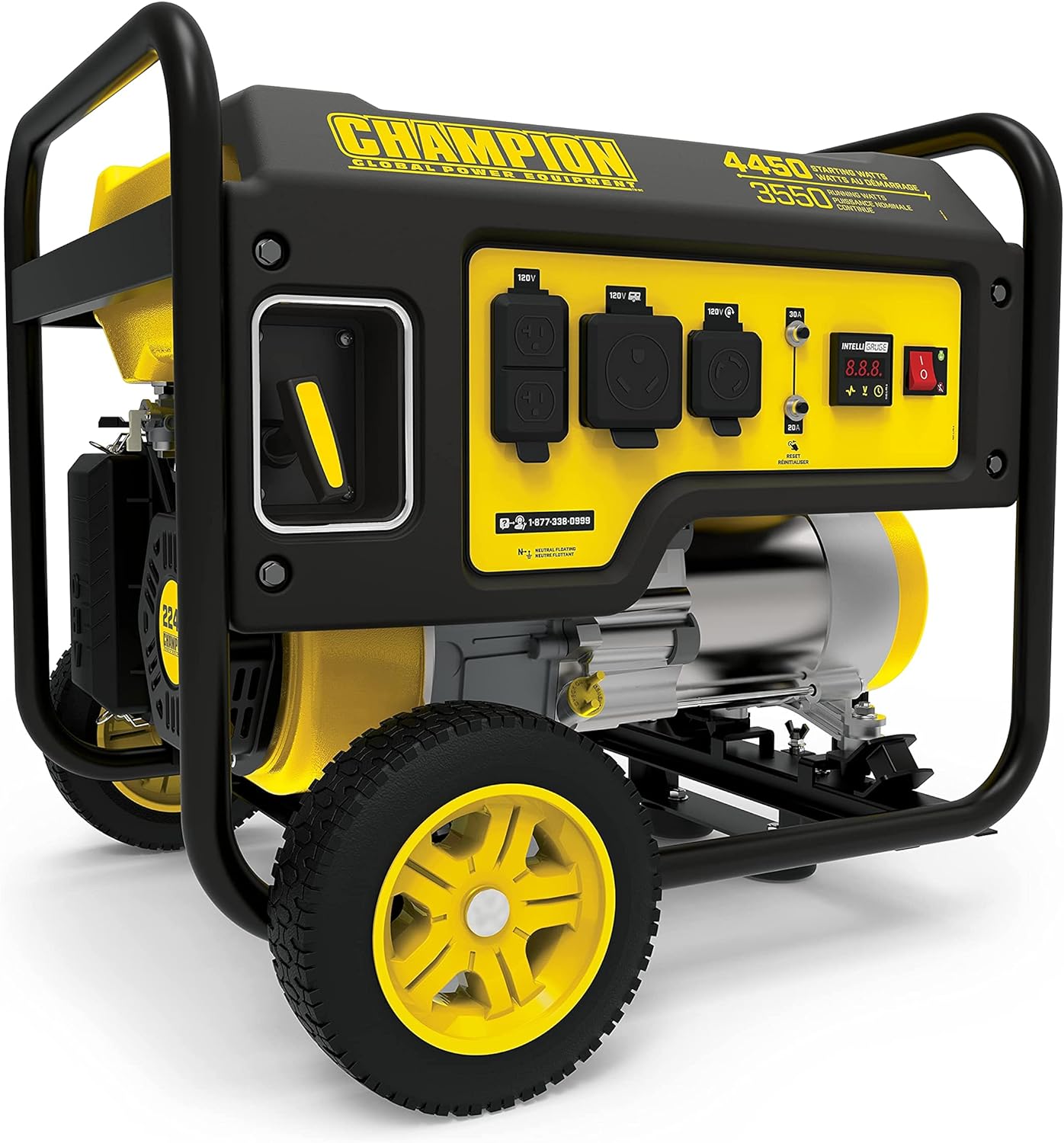
Champion Power Equipment 4450/3550-Watt RV Ready Portable Generator with Wheel Kit Yellow
Home Generators
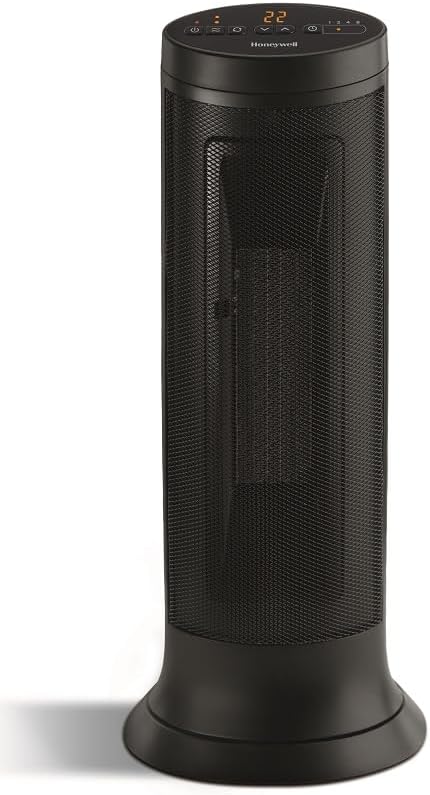
Honeywell HCE317BC Slim Ceramic Tower Electric Space Heater for Bedroom, Office, Home, Oscillates, 2 Heat Settings, Portable, 2-8H timer, Quiet, 1500W/750W
Safe Space Heaters
Kasa Matter Smart Plug w/ Energy Monitoring, Compact Design, 15A/1800W Max, Super Easy Setup, Works with Apple Home, Alexa & Google Home, UL Certified
Power Monitoring
EF ECOFLOW Solar Generator DELTA 2 Max 2048Wh with 220W Solar Panel, LiFePO4 Battery Portable Power Station, Up to 3400W AC Output, AC + Solar
Battery Backup Systems
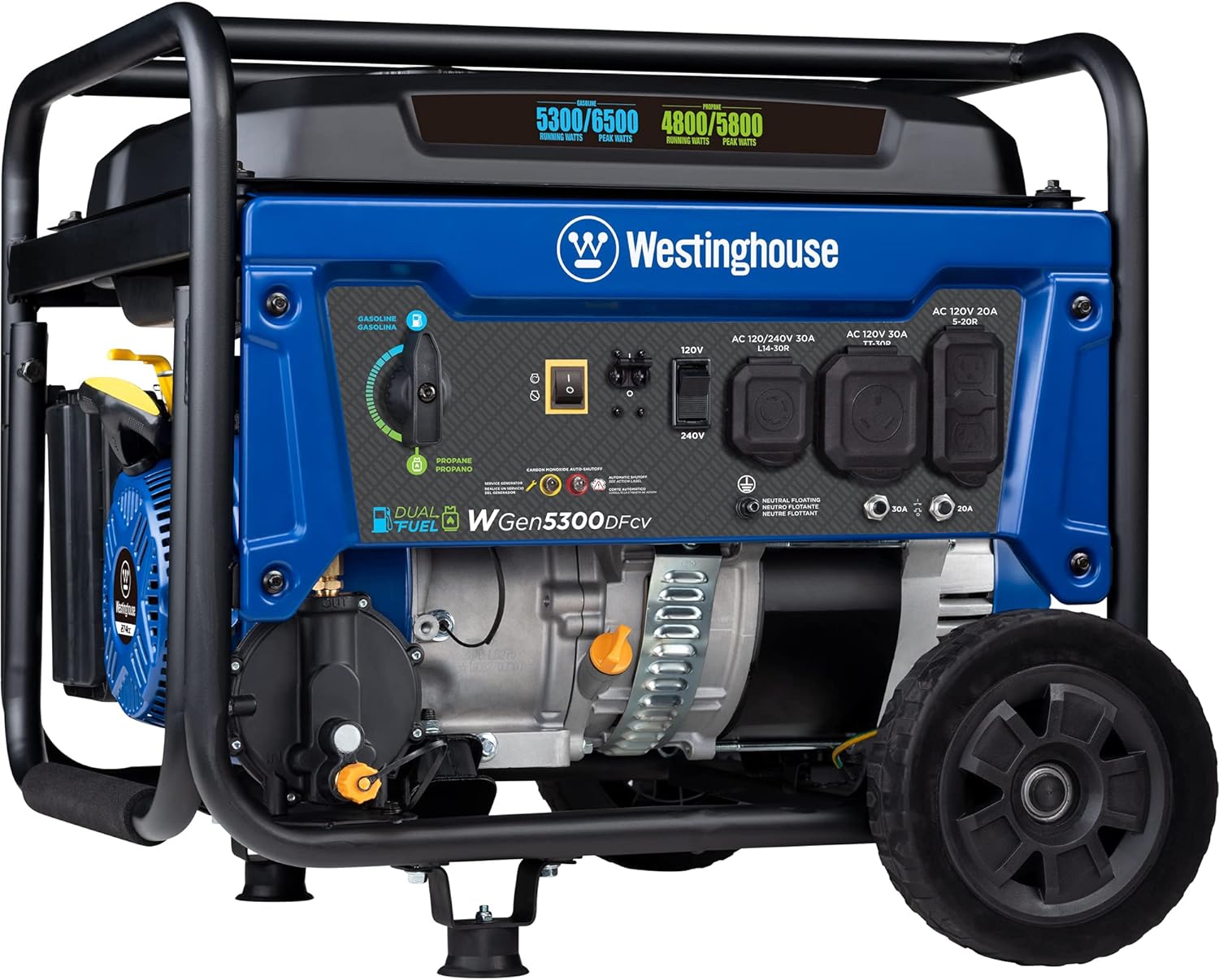
Westinghouse 6500 Watt Dual Fuel Home Backup Portable Generator, Transfer Switch Ready 30A Outlet, RV Ready 30A Outlet, CO Sensor
Propane Generator Systems
Portable Power Station, 3840Wh LiFePO4 Battery, Expandable to 11520Wh, Fully Charged in 3H, Adjustable Input Power, UPS, 3600W Solar Generator for Outdoor RV
Battery Backup Systems
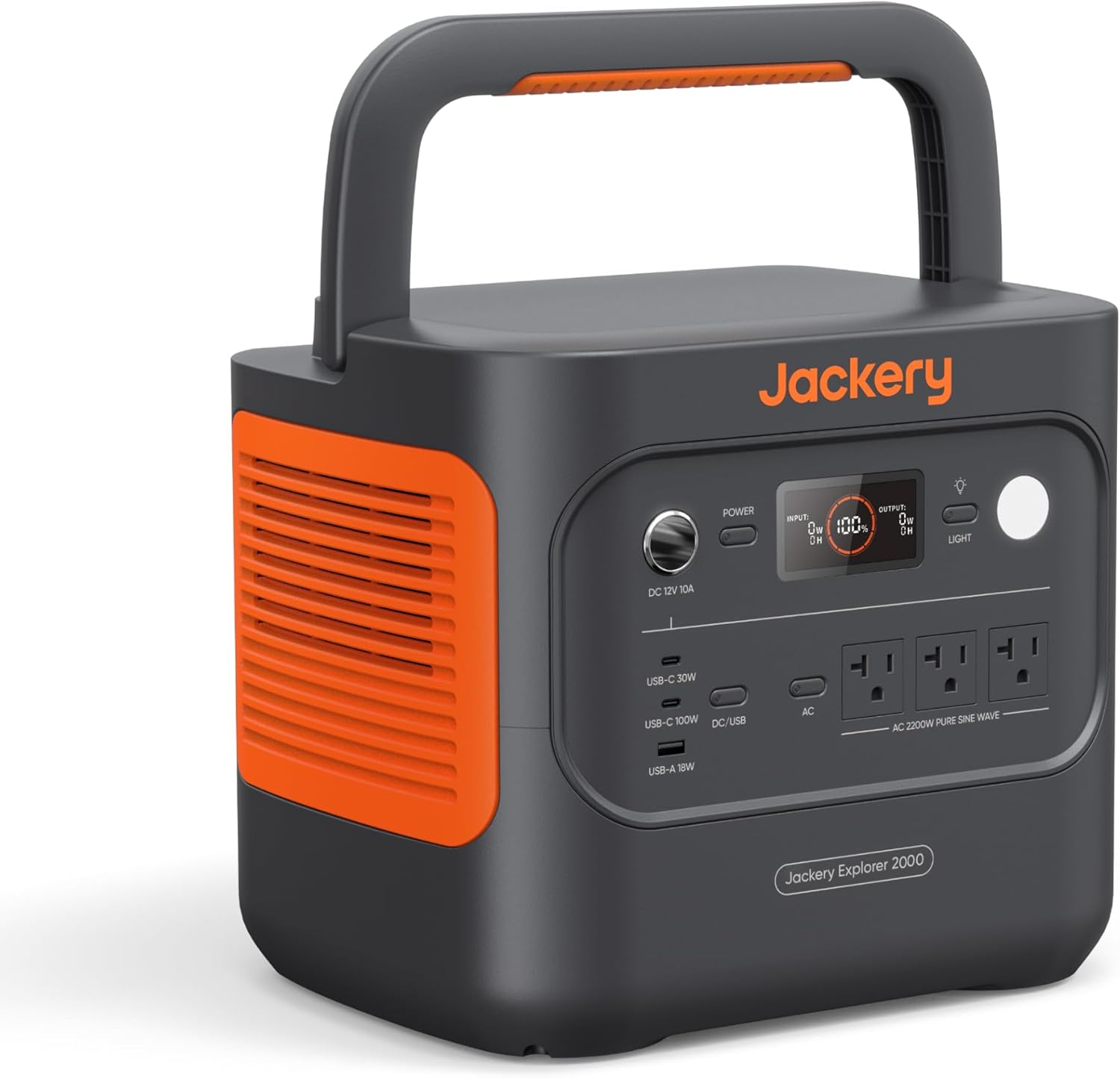
Jackery Explorer 2000 v2 Portable Power Station, 2042Wh LiFePO4 Home Backup Battery, 2200W Solar Generator with 20ms UPS, USB-C PD 100W Fast Charging
Portable Power Stations
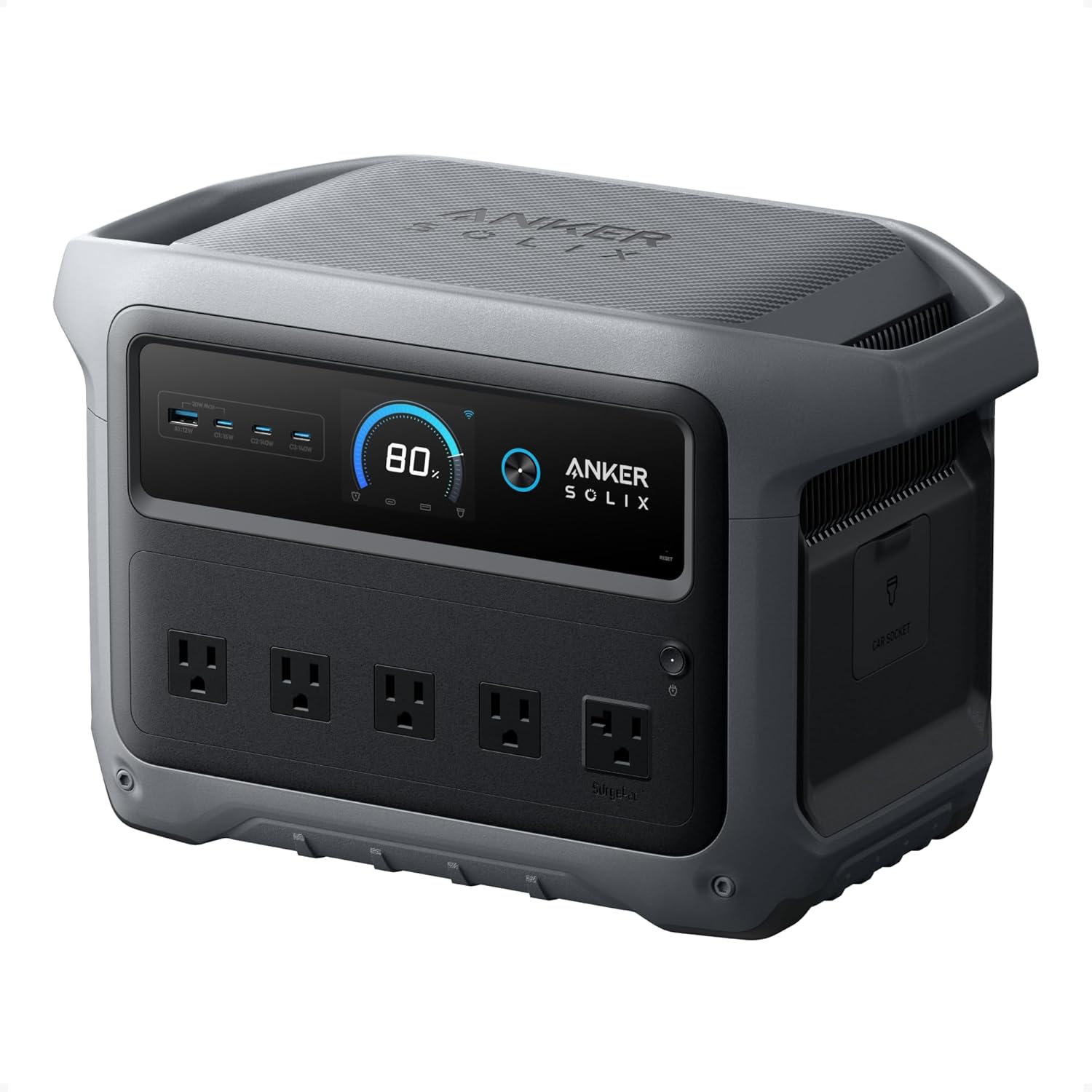
Anker SOLIX C1000 Gen 2 Portable Power Station, 2,000W (Peak 3,000W) Solar Generator, Full Charge in 49 Min, 1,024Wh LiFePO4 Battery for Home Backup
Portable Power Stations
Tip: bookmark this. These guides are built to stay accurate for years.